Es ist 23 Uhr. Du hast alles versucht. White-Noise-Apps. Meeresrauschen. Meditations-Podcasts. Nichts funktioniert. Dein Kopf dreht sich weiter. Dein Körper kommt nicht zur Ruhe.
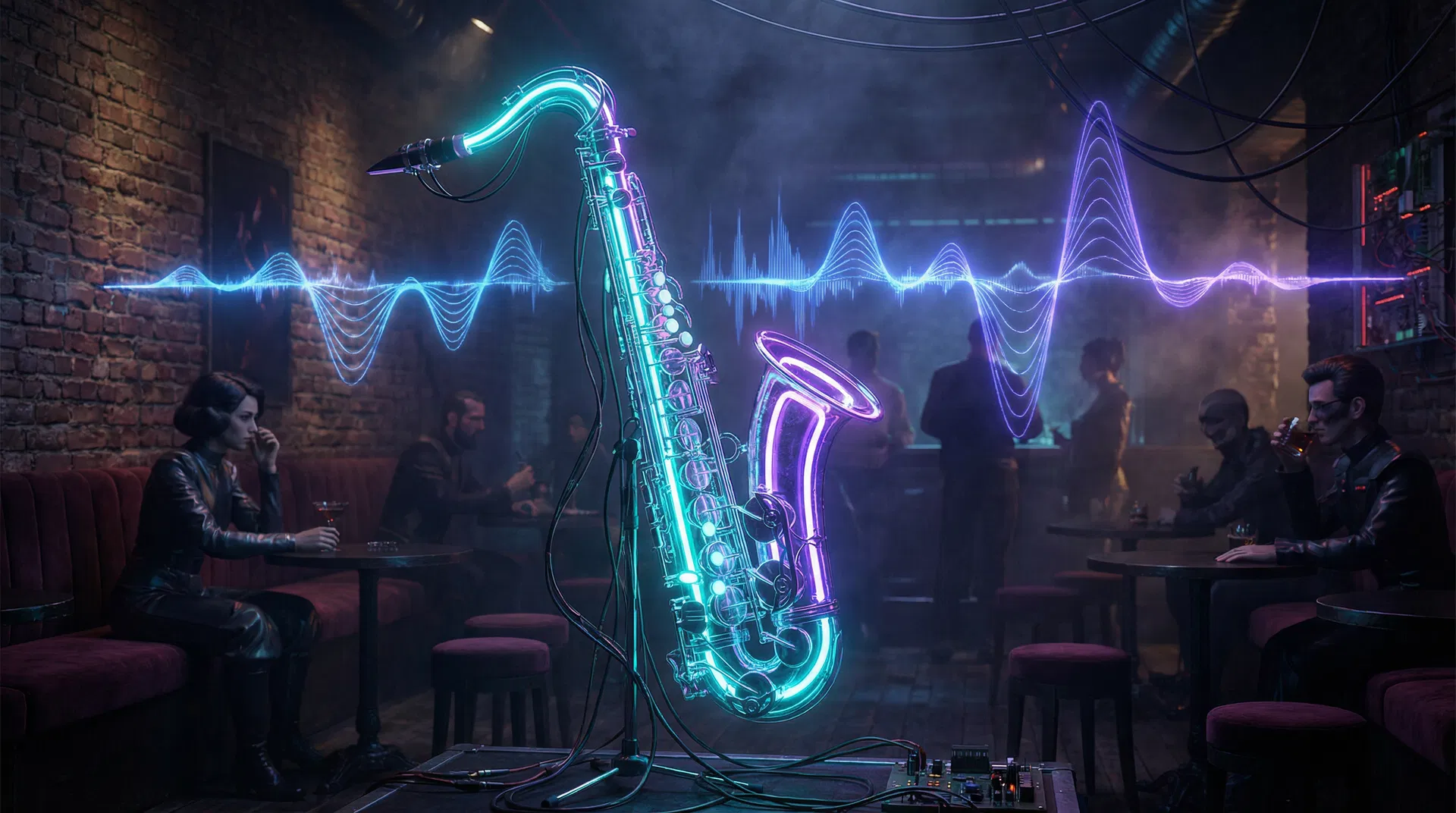
Dann erinnerst du dich an etwas. Ein Late-Night-Café vor Jahren. Gedämpftes Licht. Sanfte Trompete. Die Art, wie die Musik den Raum langsamer, wärmer, ruhiger wirken ließ. Du öffnest eine Smooth-Jazz-Playlist und drückst auf Play.
Innerhalb von Minuten verändert sich etwas. Deine Atmung wird tiefer. Deine Schultern sinken. Das mentale Geschwätz verstummt. Zwanzig Minuten später schläfst du.
Das ist kein Placebo. Das ist Neurowissenschaft trifft auf Rhythmus, Harmonie trifft auf Atem, und dein Nervensystem bekommt endlich das Signal, auf das es die ganze Nacht gewartet hat.
Warum weißes Rauschen dir nicht wirklich beim Schlafen hilft
Weißes Rauschen ist zur Standard-Schlaf-Lösung geworden. Apps versprechen "wissenschaftlich bewiesene" Geräuschunterdrückung. Schlafexperten empfehlen es für Babys, Erwachsene, Schlaflose. Die Logik klingt einleuchtend: Konstantes Rauschen blockiert störende Geräusche und schafft eine stabile akustische Umgebung.
Aber hier ist das Problem. Weißes Rauschen ist akustisch flach. Es enthält alle Frequenzen mit gleicher Intensität und erzeugt eine Klangwand, die dein Gehirn aktiv herausfiltern muss. Das erfordert kognitive Anstrengung, auch wenn du dir dessen nicht bewusst bist. Dein auditiver Kortex bleibt aktiv und verarbeitet diesen konstanten Strom bedeutungsloser Informationen.
Weißes Rauschen überdeckt Geräusche, aber es führt dein Nervensystem nirgendwohin. Es ist akustische Tapete. Es füllt den Raum, aber es interagiert nicht mit deiner Biologie. Deine Herzfrequenz verlangsamt sich nicht. Deine Atmung wird nicht tiefer. Dein parasympathisches Nervensystem aktiviert sich nicht.
Jazz tut all diese Dinge. Nicht weil er lauter oder komplexer ist, sondern weil er sich im Rhythmus mit der Art bewegt, wie dein Körper natürlich herunterfährt.
Der Swing-Rhythmus passt zu deiner Atmung
Smooth Jazz liegt typischerweise zwischen sechzig und achtzig Schlägen pro Minute. Das ist nicht zufällig. Es ist genau der Bereich, in dem deine Ruheherzfrequenz liegt, und noch wichtiger, es ist der Bereich, in dem sich deine Atmung natürlich einpendelt, wenn du entspannt bist.
Wenn du wach und aufmerksam bist, atmest du zwölf bis sechzehn Mal pro Minute. Wenn du in Richtung Schlaf driftest, sinkt diese Rate auf acht bis zwölf Atemzüge pro Minute. Smooth Jazz spiegelt diese Verlangsamung wider. Der Swing-Rhythmus treibt dich nicht vorwärts wie fröhliche Musik. Er fordert keine Aufmerksamkeit wie komplexe Kompositionen. Er atmet einfach mit dir.
Das erzeugt ein Phänomen namens rhythmisches Entrainment. Dein Körper beginnt, sich mit dem Tempo der Musik zu synchronisieren. Dein Herzschlag verlangsamt sich, um zum Puls zu passen. Deine Atmung vertieft sich, um sich an die Phrasierung anzupassen. Die Musik wird zu einem Metronom für dein Nervensystem und führt dich vom Wachsein in die Ruhe.
Deshalb funktioniert JazzSphere Radio so gut zum abendlichen Herunterfahren. Das Tempo beschleunigt nie. Der Rhythmus überrascht dich nie. Er atmet einfach weiter, und dein Körper folgt.
Harmonische Mehrdeutigkeit beruhigt den analytischen Verstand
Jazz-Harmonie basiert auf Mehrdeutigkeit. Anders als klassische Musik, die Spannung in klare Tonika-Akkorde auflöst, verweilt Jazz im Raum zwischen Auflösung und Suspension. Septakkorde, Nonakkorde, alterierte Dominanten—diese Harmonien verlangen nicht, dass dein Gehirn vorhersagt, was als Nächstes kommt. Sie existieren einfach, schwebend in harmonischem Limbo.
Das ist entscheidend für den Schlaf. Dein analytischer Verstand lebt von Vorhersagen. Er will Probleme lösen, Ergebnisse antizipieren, Muster vervollständigen. Wenn du Musik mit klaren harmonischen Progressionen hörst, bleibt dein Gehirn engagiert, verfolgt die Struktur, wartet auf die Auflösung.
Jazz entfernt diese Erwartung. Die Harmonien verschieben sich sanft, lösen sich nie vollständig auf, erzeugen nie Spannung, die eine Entladung braucht. Dein Gehirn hört auf zu versuchen, vorherzusagen. Es hört auf zu analysieren. Es hört einfach zu, und irgendwann hört es auch auf zuzuhören.
Deshalb funktioniert Chet Bakers Trompete besser als Beethovens Symphonien zum Schlafen. Beethoven baut Spannung auf und löst sie in dramatischen Bögen. Dein Gehirn folgt jeder Bewegung, engagiert in der Erzählung. Bakers Trompete schwebt einfach, suspendiert im harmonischen Raum, verlangt nichts von dir.
Das Fehlen von Gesang schützt deine Sprachzentren
Menschliche Stimmen aktivieren Sprachverarbeitungszentren in deinem Gehirn, selbst wenn du nicht bewusst auf die Worte hörst. Das Broca-Areal und das Wernicke-Areal leuchten auf, analysieren Phoneme, extrahieren Bedeutung, verfolgen Syntax. Das gilt für Podcasts, Hörbücher und Songs mit Texten.
Smooth Jazz ist rein instrumental. Keine Worte. Keine Erzählung. Kein semantischer Inhalt zum Dekodieren. Deine Sprachzentren bleiben ruhig. Dein Gehirn muss keine Bedeutung verarbeiten, kein Gespräch verfolgen, keine Geschichte nachvollziehen. Es kann einfach treiben.
Deshalb funktioniert instrumentaler Jazz besser als Vokal-Jazz zum Schlafen. Ella Fitzgeralds Stimme ist wunderschön, aber sie ist auch linguistisch reich. Dein Gehirn kann nicht anders, als sich damit zu beschäftigen. Miles Davis' Trompete trägt Emotion ohne Sprache. Sie kommuniziert ohne Verständnis zu verlangen.
Wenn du versuchst zu schlafen, ist das Letzte, was du brauchst, dass dein Gehirn daran arbeitet, Informationen zu dekodieren. Jazz gibt dir Klang ohne Bedeutung, Emotion ohne Anstrengung.
Mein Abendritual: Von weißem Rauschen zu Baker
Ich hatte früher jede Nacht eine White-Noise-Maschine laufen. Die Logik ergab Sinn. Straßenlärm blockieren. Konsistenz schaffen. Schneller einschlafen. Aber ich fühlte mich nie ausgeruht. Mein Schlaf war oberflächlich. Ich wachte mehrmals auf. Mein Verstand kam nie wirklich zur Ruhe.
Dann begann ich, mit Musik zu experimentieren. Klassisches Klavier fühlte sich zu strukturiert an. Ambient-Musik fühlte sich zu leer an. Lofi-Beats hatten zu viel Rhythmus. Aber Smooth Jazz—speziell Chet Baker, Bill Evans und der frühe Miles Davis—fühlte sich anders an. Er füllte nicht nur die Stille. Er formte sie.
Jetzt sieht meine Abendroutine so aus. Ich dimme die Lichter gegen 21 Uhr. Ich schalte JazzSphere Radio ein. Ich lasse die Trompete und das Klavier über den Raum schweben. Ich konzentriere mich nicht auf die Musik. Ich lasse sie einfach im Hintergrund existieren, mit mir atmen, mich verlangsamen.
Gegen 22 Uhr weiß mein Körper, was kommt. Die Musik ist zu einem Signal geworden. Keine Ablenkung, keine Schlafhilfe, sondern ein Übergang. Vom Wachsein zur Ruhe. Vom Denken zur Stille. Von Anstrengung zu Leichtigkeit.
Ich schlafe schneller ein. Ich bleibe länger schlafend. Ich wache auf und fühle mich, als hätte ich wirklich geruht. Nicht weil die Musik mich ausgeknockt hat, sondern weil sie mein Nervensystem genau dorthin geführt hat, wo es hin musste.
Die parasympathische Verschiebung: Wie Jazz den Ruhemodus aktiviert
Dein autonomes Nervensystem hat zwei Modi. Sympathische Aktivierung treibt Wachsamkeit, Fokus und Stressreaktion an. Parasympathische Aktivierung treibt Ruhe, Verdauung und Erholung an. Die meisten Menschen verbringen ihren ganzen Tag im sympathischen Modus und wundern sich, warum sie nachts nicht schlafen können.
Jazz erzwingt keine Verschiebung. Er lädt dazu ein. Das langsame Tempo signalisiert Sicherheit. Die harmonische Mehrdeutigkeit entfernt kognitive Anforderungen. Die instrumentale Natur beruhigt die Sprachverarbeitung. Zusammen schaffen diese Elemente eine akustische Umgebung, die deinem Nervensystem sagt: Es ist jetzt sicher zu ruhen.
Deine Herzfrequenzvariabilität steigt. Dein Cortisolspiegel sinkt. Dein Vagustonus verbessert sich. Das sind keine abstrakten Konzepte. Das sind messbare physiologische Veränderungen, die passieren, wenn dein Körper von sympathischer zu parasympathischer Dominanz übergeht.
Weißes Rauschen kann das nicht. Es ist akustisch neutral. Es interagiert nicht mit deiner Biologie. Jazz hingegen ist biologisch aktiv. Er überdeckt nicht nur Geräusche. Er formt deinen inneren Zustand.
Nicht jeder Jazz funktioniert zum Schlafen
Bebop wird dir nicht beim Schlafen helfen. Free Jazz auch nicht. Hard Bop, Latin Jazz und Fusion sind alle zu energetisch, zu komplex, zu fordernd. Wenn du versuchst herunterzufahren und Charlie Parker oder John Coltranes spätere Werke auflegst, wird dein Gehirn engagiert bleiben, die rasante Improvisation verfolgen, die harmonische Komplexität nachvollziehen.
Smooth Jazz, Cool Jazz und modaler Jazz sind die schlaffreundlichen Zonen. Chet Bakers lyrische Trompete. Bill Evans' introspektives Klavier. Miles Davis' "Kind of Blue"-Ära. Das sind die Klänge, die langsam atmen, sich sanft bewegen und nichts von dir verlangen.
Der Schlüssel ist Tempo und Textur. Wenn sich die Musik anfühlt, als würde sie vorwärts gehen, ist sie zu schnell. Wenn sie sich anfühlt, als würde sie dich bitten mitzukommen, ist sie zu komplex. Der richtige Jazz zum Schlafen fühlt sich an, als würde er sich kaum bewegen. Er schwebt einfach, suspendiert in der Zeit, wartet darauf, dass du wegdriftest.
Wie du Jazz zum Schlafen nutzt (ohne es zu überdenken)
Du brauchst keine perfekte Playlist. Du musst BPM oder harmonische Struktur nicht analysieren. Du musst nur ein paar Künstler finden, deren Klang sich richtig anfühlt, und die Musik den Rest erledigen lassen.
Beginne mit JazzSphere Radio. Lass es im Hintergrund laufen, während du herunterkommst. Konzentriere dich nicht darauf. Versuche nicht, es zu schätzen. Lass es einfach im Raum existieren, den akustischen Raum formen, dein Nervensystem führen.
Wenn du deine eigene Playlist erstellen möchtest, suche nach Alben, die zwischen den fünfziger und siebziger Jahren aufgenommen wurden. Das war die goldene Ära des Cool Jazz und modalen Jazz, als die Musik langsam, weiträumig und emotional zurückhaltend war. Chet Bakers "Chet Baker Sings" ist ein guter Ausgangspunkt, obwohl es Gesang hat—seine Stimme ist so sanft und unaufdringlich, dass sie Sprachzentren nicht so aktiviert wie die meisten Sänger. Bill Evans' "Sunday at the Village Vanguard" ist ein weiterer Klassiker. Miles Davis' "Kind of Blue" ist das definitive modale Jazz-Album, und jeder Track funktioniert zum Schlafen.
Halte die Lautstärke niedrig. Jazz zum Schlafen sollte kaum hörbar sein. Du versuchst nicht, ihm zuzuhören. Du versuchst, ihn den Raum formen zu lassen, so wie Kerzenlicht einen Raum formt, ohne Aufmerksamkeit zu verlangen.
Und am wichtigsten, erwarte keine sofortigen Ergebnisse. Dein Körper braucht Zeit, um das Signal zu lernen. In der ersten Nacht bemerkst du vielleicht nicht viel. In der zweiten Nacht schläfst du vielleicht etwas schneller ein. Bis zur dritten oder vierten Nacht wird dein Nervensystem beginnen, das Muster zu erkennen. Die Musik wird zu einem Hinweis. Dein Körper weiß, was kommt. Und Schlaf wird einfacher.
Die Wissenschaft ist klar: Jazz schlägt Rauschen
Weißes Rauschen ist akustisch flach, biologisch neutral und kognitiv fordernd. Jazz ist rhythmisch auf deine Atmung abgestimmt, harmonisch mehrdeutig genug, um deinen analytischen Verstand zu beruhigen, und instrumental so gestaltet, dass er deine Sprachzentren schützt.
Das eine überdeckt Geräusche. Das andere formt deinen inneren Zustand. Das eine füllt die Stille. Das andere führt dich in die Ruhe.
Wenn du mit dem Schlaf kämpfst und weißes Rauschen nicht funktioniert, probiere Jazz. Nicht als Hintergrundgeräusch. Nicht als Schlaf-Hack. Sondern als Übergang. Ein Signal. Eine Art, deinem Nervensystem zu sagen, dass der Tag vorbei ist und es Zeit ist loszulassen.
Dein Gehirn wird es dir danken. Dein Körper wird folgen. Und Schlaf wird sich endlich wieder wie Ruhe anfühlen.
🎧 Passende Musik zum Artikel
Von unserem Kanal: JazzSphere Radio
Midnight Serenade – Smooth Vocal Jazz for Quiet Hours
TAGS
Share this article