Manche Orte fühlen sich sofort anders an, in dem Moment, in dem du eintrittst.
Ein warmes Café in der Dämmerung, eine ruhige Bar mit sanfter Beleuchtung, das sanfte Klappern von Tassen, das entfernte Rascheln von Menschen, die in leisen Stimmen sprechen — und irgendwo im Hintergrund webt sich sanfter Jazz durch die Luft wie ein sanfter Faden.
Diese Atmosphäre tut etwas Seltenes: Sie verlangsamt die Welt.
Jazz hat diese Fähigkeit schon immer getragen. Seine Wärme, sein subtiler Swing, seine akustischen Texturen — sie alle erschaffen eine emotionale Landschaft, die sich menschlich, geerdet und zutiefst tröstlich anfühlt. In einer Kultur voller Geschwindigkeit und Überstimulation wird Jazz zu einem Zufluchtsort.
Aber was macht Jazz so emotional kraftvoll? Warum helfen seine warmen akustischen Räume, den Geist zu beruhigen? Und warum resoniert JazzSphere Radio so tief mit Zuhörern, die Komfort, Nostalgie oder eine fokussierte kreative Stimmung suchen?
Um das zu verstehen, müssen wir in die Psychologie von Sound, Ort und Erinnerung eintreten.
Die Wärme des akustischen Raums
Jazz ist eines der wenigen Genres, bei denen die Atmosphäre um die Musik herum genauso wichtig ist wie die Musik selbst.
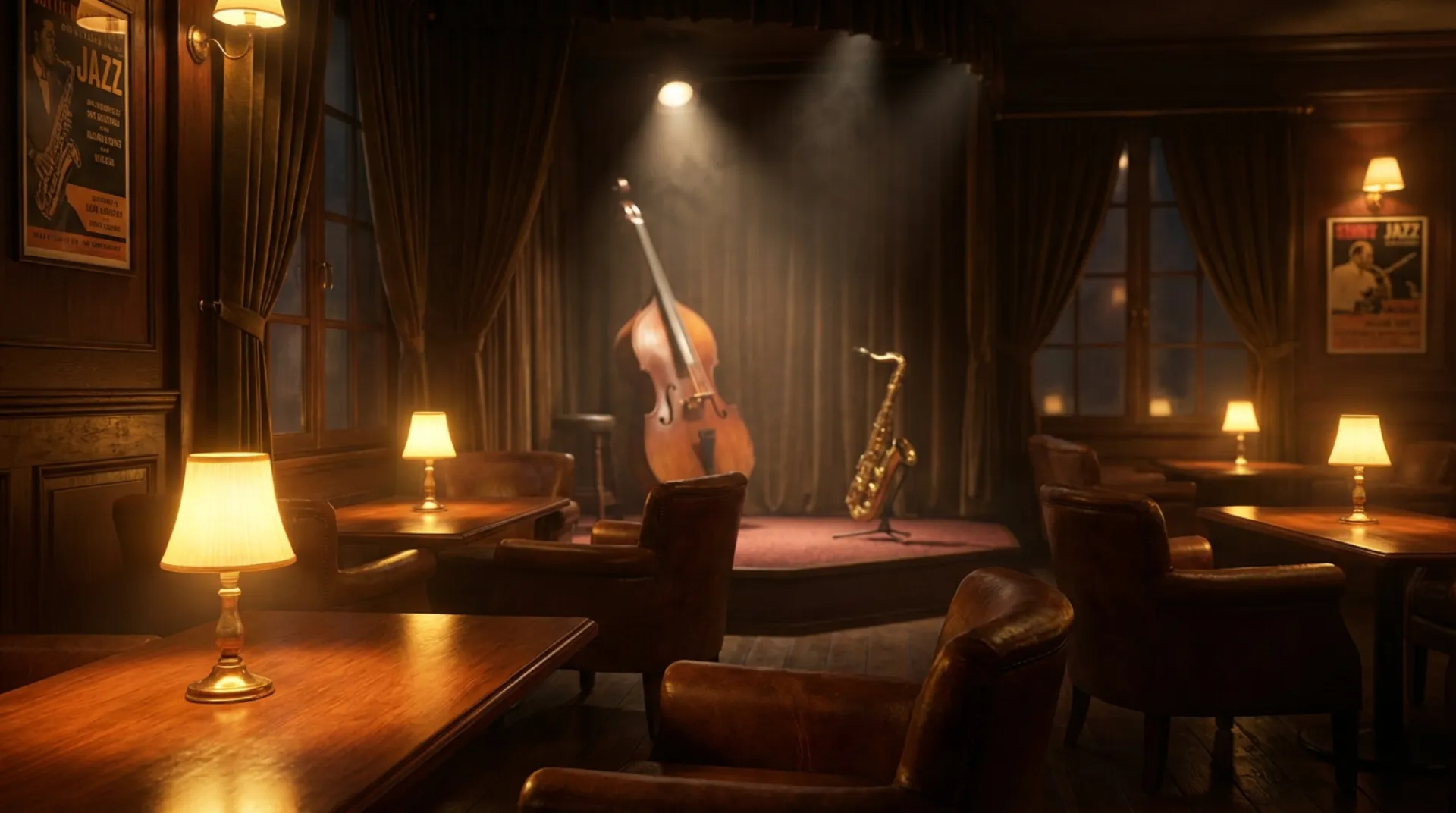
Café-Lampen, Holztische, Lederstühle, ein Raum gefüllt mit sanftem Reverb — all das formt den Raum, in dem Jazz lebt.
Akustische Räume mit warmen, natürlichen Materialien wie Holz oder Stoff weichen den Sound auf und erschaffen eine Umgebung, in der sich jede Note anfühlt, als gehöre sie dorthin. Es gibt eine sanfte Nähe dazu — ein Gefühl, vom Raum gehalten zu werden.
Deshalb fühlt sich Jazz immer "warm" an, selbst wenn die Melodien leise oder melancholisch sind.
Es ist der Sound von Nähe. Der Sound menschlicher Präsenz. Der Sound eines sicheren Raumes.
Warum Jazz uns zu Hause fühlen lässt
Aus psychologischer Sicht triggert warmer akustischer Jazz ein Gefühl von Nostalgie — selbst bei Zuhörern, die keine direkten Erinnerungen damit verbinden.
Sanfte Horn-Linien, gebürstete Drums, Kontrabass und sanfte Klavierakkorde ähneln den sonischen Hinweisen intimer, ruhiger Orte:
- Cafés
- kleine Clubs
- spätnächtliche Lounges
- gemütliche Heimräume
- intime Zusammenkünfte
Diese Umgebungen signalisieren "Sicherheit" für das Gehirn. Sie sind Orte, an denen wir natürlich entspannen, langsamer atmen und Spannung loslassen.
Jazz erschafft diese emotionale Architektur neu.
Eine sanfte Balance von Struktur und Freiheit
Jazz hat eine einzigartige Art, den Geist zu stimulieren, ohne ihn zu überwältigen.
Seine Melodien sind expressiv, aber nie aggressiv. Seine Harmonien sind reich, aber immer geerdet. Seine Rhythmen schwingen, verlangen aber keine Aufmerksamkeit.
Diese subtile Balance — Struktur mit Freiheit — erschafft, was Psychologen Soft Engagement nennen.
Dein Geist bleibt sanft aufmerksam, aber entspannt. Engagiert, aber nie unter Druck.
Deshalb ist Jazz ideal für:
- Lesen
- Arbeiten
- Kreatives Denken
- Abendliche Entspannung
- Reflektierende Momente
Er leistet dir Gesellschaft, ohne den Raum zu übernehmen.
Die emotionale Sanftheit der Unvollkommenheit
Ein Großteil moderner Musik ist digital perfekt — quantisiert, poliert, steril.
Jazz ist das Gegenteil.
Er atmet. Er biegt sich. Er lässt menschliche Unvollkommenheit Teil der Textur werden.
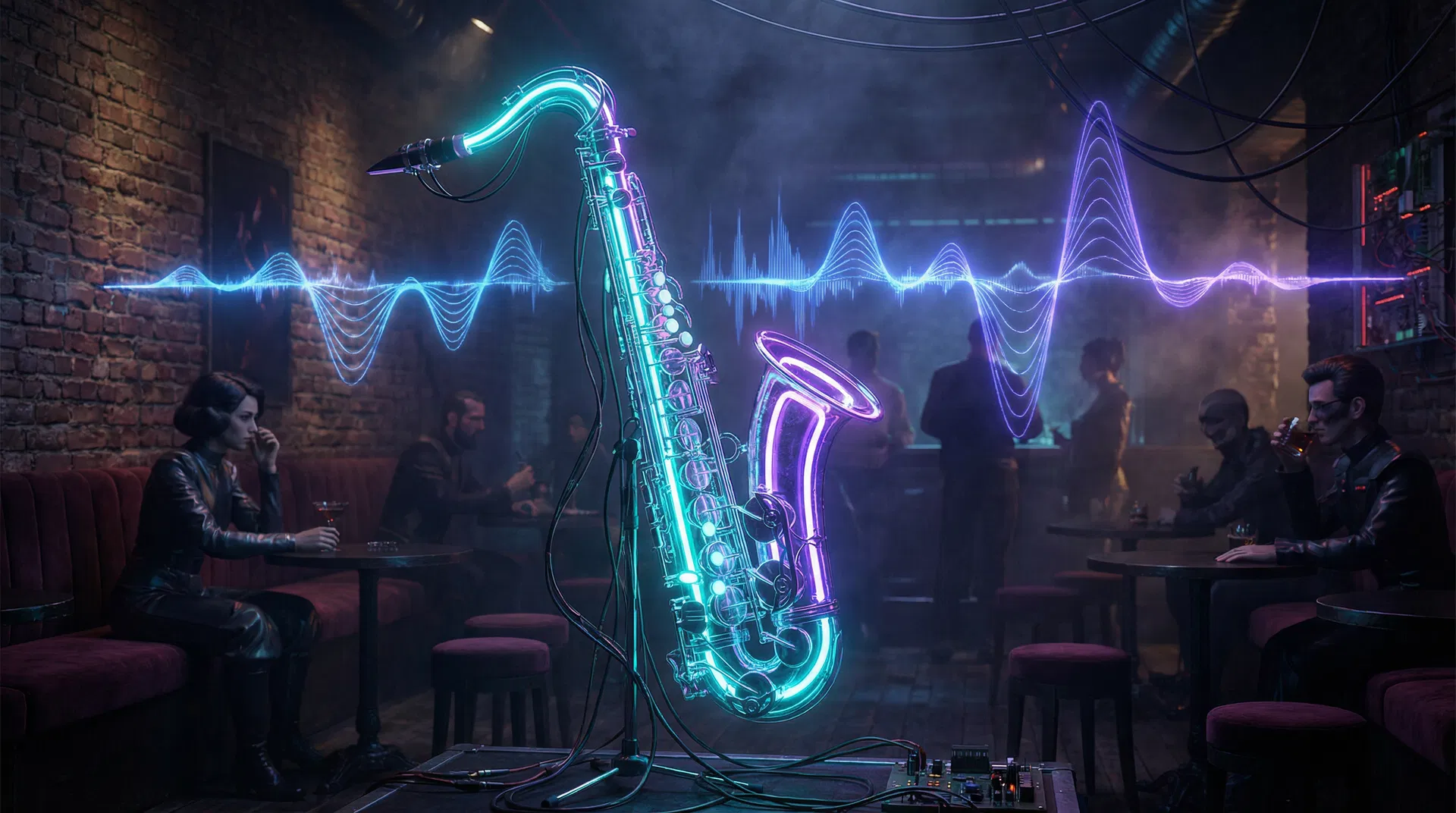
Die sanfte Reibung von Fingern auf Saiten, das sanfte Rauschen von Luft durch ein Saxophon, der leichte Behind-the-Beat-Swing — diese Mikro-Unvollkommenheiten erschaffen emotionale Intimität.
Das Gehirn reagiert stark darauf. Es erkennt Menschlichkeit im Sound. Und das reduziert sofort emotionale Distanz.
Jazz fühlt sich an wie ein Gespräch. Selbst wenn niemand spricht.
Das nächtliche Leuchten von Jazz-Atmosphären
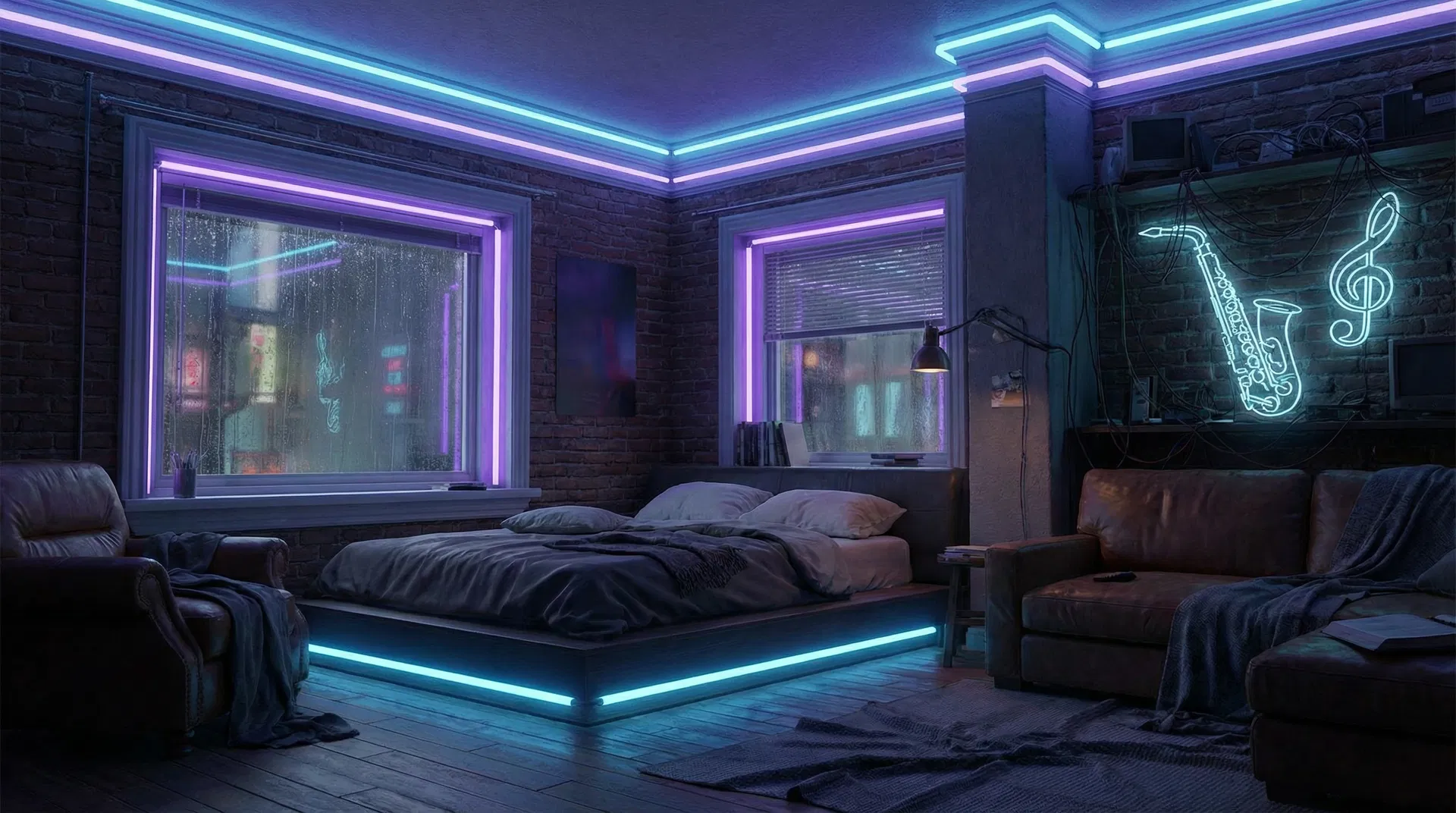
Jazz ist eines der wenigen Genres, das sich natürlich mit Abendlicht verbunden fühlt — gedimmte Lampen, Bernsteintöne, die sanften Reflexionen von Stadtstraßen nach Regen.
Diese visuelle Sprache beeinflusst die Art, wie wir die Musik hören. Warmes Licht vertieft die Wärme des Sounds. Dunkle Räume lassen die Noten näher wirken. Café-Settings fügen der Hörerfahrung Textur hinzu.
Jazz gedeiht in diesem Leuchten. Seine Sanftheit gehört zur Nacht.
Deshalb funktioniert JazzSphere Radio so schön: Die Visuals vervollständigen die emotionale Umgebung, die die Musik erschafft.
Zusammen formen sie einen Raum, in dem Zuhörer entspannen, denken, atmen oder sogar fokussieren können — ohne jemals den Moment zu verlassen.
Warum der moderne Geist Jazz braucht
Heute sehnen sich Menschen nach Umgebungen, die sich real, warm und menschlich anfühlen.
Digitales Leben ist effizient, aber emotional leer. Jazz stellt das fehlende Stück wieder her.
Er verlangsamt das Tempo. Er fügt Wärme zu kalten Räumen hinzu. Er bringt Menschlichkeit in digitale Räume.
Deshalb ist Jazz-Ambience so populär geworden für Arbeit, Lernen, Abendroutinen und Entspannung. Er verbindet uns wieder mit einer ruhigeren, geerdeten Version von uns selbst.
Wie man seine eigene Jazz-Atmosphäre erschafft
Um die beruhigenden und Fokus-Vorteile von Jazzmusik zu maximieren:
Setze die Stimmung mit Beleuchtung
Nutze warme, gedimmte Beleuchtung — Tischlampen, Kerzen oder sanfte LED-Birnen mit Bernsteintönen. Vermeide harsche Deckenlichter.
Wähle die richtige Zeit
Jazz funktioniert am besten am Abend oder späten Nachmittag, wenn die Welt natürlich langsamer wird. Er ergänzt den Übergang von Tag zu Nacht.
Kombiniere mit komfortablen Räumen
Erschaffe eine gemütliche Umgebung mit komfortablen Sitzgelegenheiten, warmen Texturen (Decken, Kissen) und natürlichen Materialien (Holz, Pflanzen).
Lass ihn sanft spielen
Jazz sollte den Raum füllen, ohne ihn zu dominieren. Halte die Lautstärke niedrig genug, um Gespräche oder ruhige Gedanken zu ermöglichen.
Kombiniere Audio und Visual
Schaue Jazz-Sessions mit begleitenden Visuals auf Kanälen wie JazzSphere Radio. Die Kombination vertieft die immersive Erfahrung.
Die Wissenschaft von Jazz und Entspannung
Forschung in Musikpsychologie zeigt, dass Jazzmusik kann:
- Cortisol-Spiegel senken (Stresshormon)
- Das parasympathische Nervensystem aktivieren (Ruhemodus)
- Herzfrequenz und Blutdruck reduzieren
- Kreativität durch unvorhersehbare Harmonien stimulieren
Der Schlüssel ist die Kombination aus Vorhersehbarkeit (Akkordprogressionen, Swing-Rhythmus) und Überraschung (Improvisation, harmonische Farbe), die den Geist engagiert hält, ohne Spannung zu erzeugen.
Fazit: Der Raum innerhalb der Musik
Jazz ist mehr als Sound.
Er ist ein Raum — ein warmer, sicherer, intimer Raum — gebaut aus Ton, Rhythmus, Licht und Raum.
In diesem Raum findet der moderne Geist endlich, was er selten erlebt: einen Moment zum Atmen ohne Eile, zum Denken ohne Druck, zum Existieren ohne Lärm.
Jazz verlangt keine Aufmerksamkeit. Er lädt dich einfach ein.
Und diese Einladung ist heute wertvoller denn je.
Tritt ein in die warme akustische Welt von JazzSphere Radio — wo sanfter Jazz auf kinematografische Visuals trifft, um intime Räume für Entspannung, Reflexion und fokussierte Kreativität zu schaffen.
🎧 Passende Musik zum Artikel
Von unserem Kanal: JazzSphere Radio
Intimate Vocal Jazz Lounge – Unwind & Relax Completely
TAGS
Share this article