In einer Zeit, in der Ablenkungen allgegenwärtig sind und die Aufmerksamkeitsspanne schwindet, war die Suche nach effektiven Werkzeugen zur Konzentration noch nie so dringlich. Unter den verschiedenen Techniken, die entstanden sind, stechen binaurale Beats als wissenschaftlich fundierte Methode hervor, die die natürliche Reaktion des Gehirns auf Schallfrequenzen nutzt. Dieses auditive Phänomen hat die Aufmerksamkeit von Neurowissenschaftlern, Produktivitätsbegeisterten und Meditationspraktizierenden gleichermaßen auf sich gezogen und bietet eine Brücke zwischen alten kontemplativen Praktiken und moderner Neurowissenschaft.
Binaurale Beats sind mehr als nur ein weiterer Wellness-Trend. Sie basieren auf der grundlegenden Art und Weise, wie unser Gehirn auditive Informationen verarbeitet und neuronale Aktivität synchronisiert. Das Verständnis, wie diese Frequenzmuster funktionieren und wie man sie effektiv einsetzt, kann neue Ebenen der Konzentration, Kreativität und mentalen Klarheit erschließen.
Binaurale Beats verstehen: Die auditive Illusion
Binaurale Beats sind keine Klänge, die in der Außenwelt existieren. Vielmehr sind sie ein Wahrnehmungsphänomen, das vollständig im Gehirn erzeugt wird. Wenn zwei leicht unterschiedliche Frequenzen getrennt über Kopfhörer an jedes Ohr übertragen werden, nimmt das Gehirn einen dritten Ton wahr—den binauralen Beat—der der mathematischen Differenz zwischen den beiden Frequenzen entspricht.
Wenn beispielsweise ein Ton von 200 Hz im linken Ohr und 210 Hz im rechten Ohr abgespielt wird, nimmt das Gehirn einen binauralen Beat von 10 Hz wahr. Diese wahrgenommene Frequenz existiert nicht in der akustischen Umgebung; sie wird vom Gehirn erzeugt, das versucht, die Differenz zwischen den beiden eingehenden Signalen auszugleichen.
Dieses Phänomen wurde erstmals 1839 von Heinrich Wilhelm Dove, einem preußischen Physiker und Meteorologen, entdeckt. Erst in den 1970er Jahren veröffentlichte der Biophysiker Gerald Oster jedoch eine umfassende Analyse in Scientific American, die binaurale Beats in den Bereich der Neurowissenschaft und therapeutischen Anwendungen brachte. Osters Forschung zeigte, dass binaurale Beats Gehirnwellenmuster beeinflussen können, was die Tür zu ihrer Verwendung zur kognitiven Verbesserung und Entspannung öffnete.
Der Mechanismus hinter binauralen Beats beinhaltet einen Prozess, der als Frequenzfolgereaktion bezeichnet wird. Wenn das Gehirn die Differenz zwischen den beiden Frequenzen erkennt, beginnt es, seine eigene elektrische Aktivität zu synchronisieren, um dieser Differenz zu entsprechen. Diese Synchronisation kann die dominante Gehirnwellenfrequenz verschieben und möglicherweise Bewusstseinszustände, Aufmerksamkeit und Entspannung verändern.
Das Spektrum der Gehirnwellen: Von Tiefschlaf bis Spitzenleistung
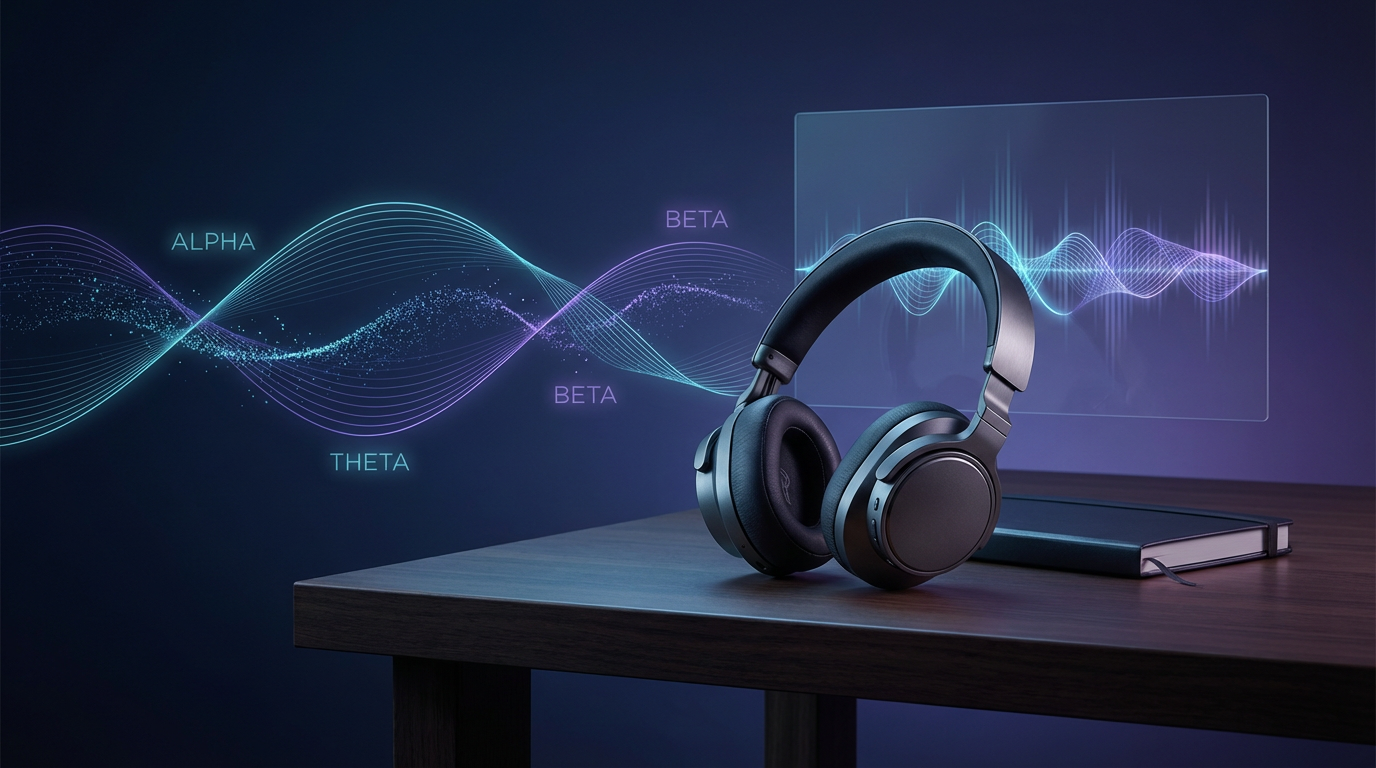
Um zu verstehen, wie binaurale Beats funktionieren, ist es wichtig, das Konzept der Gehirnwellen zu begreifen—die rhythmischen elektrischen Muster, die durch synchronisierte neuronale Aktivität erzeugt werden. Diese Muster werden in Hertz gemessen und in fünf primäre Bänder kategorisiert, die jeweils mit unterschiedlichen mentalen Zuständen verbunden sind.
Delta-Wellen reichen von 0,5 bis 4 Hz und sind die langsamsten Gehirnwellen. Sie dominieren während des tiefen, traumlosen Schlafs und sind mit Heilung, Regeneration und unbewussten Körperfunktionen verbunden. Delta-Aktivität ist auch während tiefer Meditationszustände vorhanden, die von erfahrenen Meditierenden praktiziert werden.
Theta-Wellen arbeiten zwischen 4 und 8 Hz und sind mit leichtem Schlaf, tiefer Entspannung und dem hypnagogischen Zustand verbunden—jener Dämmerzone zwischen Wachsein und Schlaf. Theta ist der Bereich lebhafter Bilder, Intuition und kreativer Einsicht. In Theta-Zuständen wird das Unterbewusstsein zugänglicher, was diesen Frequenzbereich wertvoll für Meditation, Visualisierung und emotionale Verarbeitung macht.
Alpha-Wellen umfassen 8 bis 14 Hz und charakterisieren einen Zustand entspannter Wachsamkeit. Dies ist der Frequenzbereich ruhiger Wachheit, der oft während leichter Meditation, Tagträumen oder beim Schließen der Augen und einigen tiefen Atemzügen erlebt wird. Alpha-Zustände sind mit reduziertem Stress, verbesserter Stimmung und erhöhter Lernfähigkeit verbunden. Sie dienen als Brücke zwischen dem bewussten und unbewussten Geist.
Beta-Wellen reichen von 14 bis 30 Hz und sind das Kennzeichen aktiven, wachen Bewusstseins. Dies ist die dominante Frequenz während normaler Wachaktivitäten, Problemlösung und fokussierter Aufmerksamkeit. Während Beta-Aktivität für kognitive Aufgaben wesentlich ist, kann übermäßige Beta-Aktivität—insbesondere in den höheren Bereichen—zu Angst, Stress und mentaler Ermüdung führen.
Gamma-Wellen sind die schnellsten Gehirnwellen und oszillieren zwischen 30 und 100 Hz. Sie sind mit hochrangiger kognitiver Verarbeitung, Spitzenkonzentration und Momenten der Einsicht oder "Aha"-Erlebnissen verbunden. Gamma-Aktivität wurde bei erfahrenen Meditierenden während Zuständen von Mitgefühl und Liebender-Güte-Meditation beobachtet, was auf eine Verbindung zwischen Gamma-Wellen und erhöhtem Bewusstsein hindeutet.
Das Verständnis dieser Gehirnwellenkategorien ist entscheidend, da binaurale Beats darauf ausgelegt sind, das Gehirn auf bestimmte Frequenzen innerhalb dieser Bereiche einzustimmen und dadurch entsprechende mentale Zustände hervorzurufen.
Die Neurowissenschaft hinter binauralen Beats
Die Wirksamkeit binauraler Beats beruht auf dem Prinzip der Gehirnwellen-Entrainment, auch bekannt als neuronales Entrainment oder Frequenzfolgereaktion. Dies ist die Tendenz des Gehirns, seine elektrische Aktivität mit externen rhythmischen Reizen zu synchronisieren.
Wenn Sie binaurale Beats hören, erkennt der obere Olivenkomplex—eine Struktur im Hirnstamm, die für die Schallortung verantwortlich ist—die Phasendifferenz zwischen den beiden Frequenzen. Diese Erkennung löst eine Reaktion in der elektrischen Aktivität des Gehirns aus und veranlasst Neuronen, synchron mit der wahrgenommenen Beat-Frequenz zu feuern.
Forschungen mittels Elektroenzephalographie haben gezeigt, dass binaurale Beats tatsächlich Gehirnwellenmuster beeinflussen können. Eine in der Zeitschrift Frontiers in Human Neuroscience veröffentlichte Studie fand heraus, dass binaurale Beats im Theta-Bereich die Theta-Power im Gehirn erhöhten, was mit verstärkter Entspannung und meditativen Zuständen korrelierte. Ebenso wurde gezeigt, dass Beta-Frequenz-binaurale Beats die Beta-Aktivität erhöhen, die mit verbesserter Aufmerksamkeit und kognitiver Leistung verbunden ist.
Die Effekte sind jedoch nicht universell oder garantiert. Individuelle Reaktionen auf binaurale Beats variieren basierend auf Faktoren wie der Basis-Gehirnwellenaktivität, Hördauer, Lautstärke und persönlicher Anfälligkeit für auditives Entrainment. Einige Personen reagieren sehr stark und erleben spürbare Veränderungen im mentalen Zustand, während andere wenig bis gar keine Wirkung wahrnehmen.
Auch der Placebo-Effekt spielt eine Rolle. Erwartung und Glaube an die Wirksamkeit binauraler Beats können ihre subjektive Wirkung verstärken. Dies mindert ihren Wert nicht; vielmehr hebt es das komplexe Zusammenspiel zwischen physiologischen Mechanismen und psychologischen Faktoren bei der Gestaltung unserer mentalen Erfahrungen hervor.
Praktische Anwendungen: Fokus, Meditation und darüber hinaus
Die Vielseitigkeit binauraler Beats liegt in ihrer Fähigkeit, verschiedene Gehirnwellenfrequenzen anzusprechen, die jeweils für spezifische kognitive und emotionale Ziele geeignet sind.
Für tiefen Fokus und Konzentration sind Beta-Frequenz-binaurale Beats (14-30 Hz) am effektivsten. Diese Frequenzen fördern wache, engagierte mentale Zustände, die für Aufgaben geeignet sind, die anhaltende Aufmerksamkeit erfordern, wie Lernen, Schreiben oder analytisches Problemlösen. Viele Nutzer berichten, dass Beta-binaurale Beats ihnen helfen, leichter in einen Flow-Zustand zu gelangen, mentales Abschweifen zu reduzieren und die Produktivität zu steigern.
Für Meditation und Entspannung sind Theta- (4-8 Hz) und Alpha- (8-14 Hz) binaurale Beats ideal. Theta-Frequenzen erleichtern tiefe meditative Zustände und machen sie wertvoll für Achtsamkeitspraxis, Visualisierung und den Zugang zu unterbewussten Einsichten. Alpha-Frequenzen fördern einen ruhigen, zentrierten Geisteszustand, reduzieren Stress und Angst und bewahren gleichzeitig ein gewisses Maß an Wachsamkeit. Diese Frequenzen sind besonders nützlich für Anfänger in der Meditation, da sie helfen können, den Geist zu beruhigen und den Übergang in tiefere Zustände zu erleichtern.
Für Schlaf und Erholung können Delta-Frequenz-binaurale Beats (0,5-4 Hz) den Übergang in tiefen Schlaf unterstützen. Während binaurale Beats gute Schlafhygienepraktiken nicht ersetzen sollten, können sie eine Schlafenszeit-Routine ergänzen, indem sie das Gehirn ermutigen, in langsamere, erholsamere Frequenzen zu wechseln. Einige Nutzer finden, dass Delta-binaurale Beats ihnen helfen, schneller einzuschlafen und erholsameren Schlaf zu erleben.
Für Kreativität und Problemlösung sind Theta-Frequenzen erneut wertvoll. Der Theta-Zustand ist mit kreativem Denken, intuitiven Einsichten und der Synthese unterschiedlicher Ideen verbunden. Künstler, Schriftsteller und Innovatoren können feststellen, dass Theta-binaurale Beats ihnen helfen, einen mentalen Raum zu erreichen, in dem neuartige Verbindungen und Ideen freier entstehen.
Es ist wichtig zu beachten, dass binaurale Beats keine magische Lösung sind. Sie funktionieren am besten, wenn sie in eine breitere Praxis integriert werden, die eine angemessene Umgebung, Absicht und Beständigkeit umfasst. Das Hören binauraler Beats beim Multitasking oder in einer lauten Umgebung wird begrenzte Ergebnisse liefern. Die optimale Nutzung umfasst dedizierte Hörsitzungen mit Kopfhörern, in einem ruhigen Raum, mit einer klaren Absicht für die Sitzung.
Wie man binaurale Beats effektiv nutzt
Um die Vorteile binauraler Beats zu maximieren, sollten bestimmte Praktiken und Bedingungen beachtet werden.
Verwenden Sie hochwertige Kopfhörer. Binaurale Beats erfordern Stereotrennung, um korrekt zu funktionieren. Jedes Ohr muss eine unterschiedliche Frequenz empfangen, was bedeutet, dass Kopfhörer oder Ohrhörer unerlässlich sind. Over-Ear-Kopfhörer werden im Allgemeinen für den Komfort bei längeren Sitzungen bevorzugt.
Wählen Sie die richtige Frequenz für Ihr Ziel. Passen Sie die binaurale Beat-Frequenz an Ihren gewünschten mentalen Zustand an. Wenn Sie sich konzentrieren möchten, wählen Sie Beta-Frequenzen. Für Entspannung oder Meditation wählen Sie Alpha oder Theta. Für Schlaf wählen Sie Delta. Viele binaurale Beat-Tracks sind nach ihrem beabsichtigten Verwendungszweck gekennzeichnet, was die Auswahl erleichtert.
Hören Sie für eine angemessene Dauer. Gehirnwellen-Entrainment ist nicht augenblicklich. Die meisten Forschungen legen nahe, dass das Hören für mindestens 15 bis 30 Minuten notwendig ist, damit sich das Gehirn mit der Frequenz synchronisiert. Einige Nutzer bevorzugen längere Sitzungen, insbesondere für Meditation oder tiefe Arbeit.
Schaffen Sie eine förderliche Umgebung. Minimieren Sie Ablenkungen, dimmen Sie das Licht und stellen Sie sicher, dass Sie sich in einer bequemen Position befinden. Wenn Sie binaurale Beats für Fokus verwenden, richten Sie Ihren Arbeitsplatz ein, um Konzentration zu unterstützen. Wenn Sie sie für Meditation verwenden, schaffen Sie einen ruhigen, stillen Raum.
Setzen Sie eine Absicht. Bevor Sie eine Sitzung beginnen, klären Sie, was Sie erreichen möchten. Diese mentale Rahmung kann die Wirksamkeit der Praxis verstärken und Ihre bewusste Aufmerksamkeit mit dem gewünschten Ergebnis in Einklang bringen.
Seien Sie beständig. Wie bei jeder kognitiven oder meditativen Praxis liefert Beständigkeit bessere Ergebnisse. Regelmäßige Nutzung binauraler Beats kann das Gehirn trainieren, gewünschte Zustände leichter zu erreichen, wodurch die Praxis im Laufe der Zeit effektiver wird.
Passen Sie die Lautstärke sorgfältig an. Die Lautstärke sollte angenehm sein—laut genug, um klar zu hören, aber nicht so laut, dass sie Unbehagen oder Hörschäden verursacht. Der binaurale Beat selbst ist ein subtiles Phänomen; übermäßige Lautstärke verstärkt seine Wirkung nicht.
Häufige Missverständnisse und Einschränkungen
Trotz ihrer Vorteile sind binaurale Beats oft von übertriebenen Behauptungen und Missverständnissen umgeben.
Binaurale Beats sind kein Ersatz für medizinische Behandlung. Während sie Entspannung, Fokus und Wohlbefinden unterstützen können, sollten sie nicht zur Behandlung klinischer Zustände wie Angststörungen, Depressionen oder Schlafstörungen ohne professionelle Anleitung verwendet werden.
Nicht jeder reagiert gleich. Individuelle Variabilität bedeutet, dass einige Menschen tiefgreifende Effekte erleben, während andere kaum eine Veränderung bemerken. Faktoren wie Alter, Hörvermögen und Basis-Gehirnwellenmuster beeinflussen die Reaktionsfähigkeit.
Binaurale Beats funktionieren nicht über Lautsprecher. Die für das Gehirn erforderliche Stereotrennung, um den Beat wahrzunehmen, geht verloren, wenn sie über Lautsprecher abgespielt werden. Kopfhörer sind unerlässlich.
Sie sind keine Abkürzung zur Meisterschaft. Binaurale Beats können den Eintritt in bestimmte mentale Zustände erleichtern, aber sie ersetzen nicht die Disziplin und Praxis, die erforderlich sind, um Fähigkeiten wie tiefe Meditation, anhaltenden Fokus oder kreatives Denken zu entwickeln. Sie sind ein Werkzeug, kein Ersatz für Anstrengung.
Qualität ist wichtig. Nicht alle binauralen Beat-Tracks sind gleich. Schlecht gestaltete Tracks mit falschen Frequenzen, ablenkender Hintergrundmusik oder unzureichender Produktionsqualität können die beabsichtigte Wirkung verringern oder zunichte machen. Suchen Sie nach seriösen Quellen und gut produzierten Tracks.
Die Zukunft binauraler Beats und auditiver Neurowissenschaft
Während die Neurowissenschaft weiter voranschreitet, vertieft sich unser Verständnis dafür, wie Klang die Gehirnfunktion beeinflusst. Binaurale Beats stellen nur eine Facette eines breiteren Feldes dar, das auditives Entrainment, Neuromodulation und das therapeutische Potenzial von Klang erforscht.
Neue Forschungen untersuchen die Verwendung binauraler Beats in klinischen Umgebungen, einschließlich ihres Potenzials, kognitive Rehabilitation zu unterstützen, Symptome von ADHS zu reduzieren und Lernen und Gedächtnis zu verbessern. Während die Beweise sich noch entwickeln, sind frühe Erkenntnisse vielversprechend.
Technologische Innovation erweitert auch die Zugänglichkeit und Raffinesse binauraler Beat-Anwendungen. Mobile Apps, tragbare Geräte und personalisierte Audioerlebnisse machen es einfacher für Einzelpersonen, binaurale Beats in ihre täglichen Routinen zu integrieren. Einige Plattformen erforschen sogar adaptive binaurale Beats, die sich in Echtzeit basierend auf biometrischem Feedback anpassen und so ein reaktionsfähigeres und individuelleres Erlebnis schaffen.
Die Schnittstelle zwischen alter Weisheit und moderner Wissenschaft enthüllt weiterhin neue Wege zur Verbesserung des menschlichen Potenzials. Binaurale Beats, die sowohl in der Physik des Klangs als auch in der Biologie des Gehirns verwurzelt sind, bieten ein praktisches und zugängliches Werkzeug für diejenigen, die ihre mentalen Zustände optimieren, ihre Meditationspraxis vertiefen oder einfach einen Moment der Ruhe in einer chaotischen Welt finden möchten.
Fazit
Binaurale Beats sind ein faszinierendes Beispiel dafür, wie einfache auditive Reize komplexe neuronale Prozesse beeinflussen können. Durch die Präsentation zweier leicht unterschiedlicher Frequenzen an jedes Ohr können diese Beats das Gehirn in bestimmte Bewusstseinszustände führen, von tiefer Entspannung bis zu erhöhtem Fokus.
Das Verständnis der Wissenschaft hinter binauralen Beats—wie sie funktionieren, welche Frequenzen welchen mentalen Zuständen entsprechen und wie man sie effektiv nutzt—befähigt Einzelpersonen, dieses Werkzeug mit Absicht und Präzision zu nutzen. Während sie kein Allheilmittel sind, bieten binaurale Beats eine wertvolle Ergänzung zu Meditation, Produktivitätspraktiken und Stressmanagement-Strategien.
Wie bei jedem Werkzeug zur kognitiven Verbesserung liegt der Schlüssel in informierter, beständiger und achtsamer Nutzung. Wenn sie durchdacht in eine breitere Praxis der Selbstfürsorge und des mentalen Trainings integriert werden, können binaurale Beats als Tor zu tieferen Bewusstseinszuständen, schärferem Fokus und größerem Wohlbefinden dienen.
🎧 Passende Musik zum Artikel
Von unserem Kanal: Deep Focus Sphere
Ambient Music for Deep Work – Stay Focused & Relaxed for 3 Hours of Pure Concentration
TAGS
Share this article