Lofi Beats sind überall. YouTube. Spotify. Jedes "study with me" Video. Millionen von Menschen schwören darauf.
Und das aus gutem Grund—Lofi ist großartig. Entspannend. Chill. Perfekt für bestimmte Aufgaben.
Aber hier ist, worüber niemand spricht: Für echte Deep Work—die Art, bei der du komplexe Probleme löst, Code schreibst, Daten analysierst oder irgendetwas tust, das intensive kognitive Anstrengung erfordert—könnten Lofi Beats dich tatsächlich zurückhalten.
Ich weiß. Das willst du nicht hören. Besonders wenn du Lofi seit Jahren nutzt.
Aber als jemand, der mehrere Fokus-Musik-Kanäle betreibt und Jahre damit verbracht hat zu studieren, was Menschen wirklich beim Konzentrieren hilft, muss ich dir die Wahrheit sagen: Wenn die Arbeit schwierig wird, gewinnt Ambient-Musik.
Lass mich erklären warum.
Was ist Deep Work (Und warum ist es anders)
Zuerst lass uns definieren, worüber wir sprechen. Deep Work ist nicht einfach "Arbeiten." Es ist die Art von fokussierter, kognitiv anspruchsvoller Arbeit, die deine volle Aufmerksamkeit erfordert und hochwertige Ergebnisse produziert. Denk an Code schreiben, komplexe Systeme debuggen, Datenmuster analysieren, technische Dokumentation erstellen oder schwierige neue Konzepte lernen. Das ist grundlegend anders als E-Mails beantworten, Dateien organisieren oder Routineaufgaben erledigen, die du tausendmal gemacht hast.
Für Routineaufgaben ist Lofi perfekt. Aber für Deep Work? Da wird es interessant.
Das Lofi-Problem (Das niemand erwähnt)
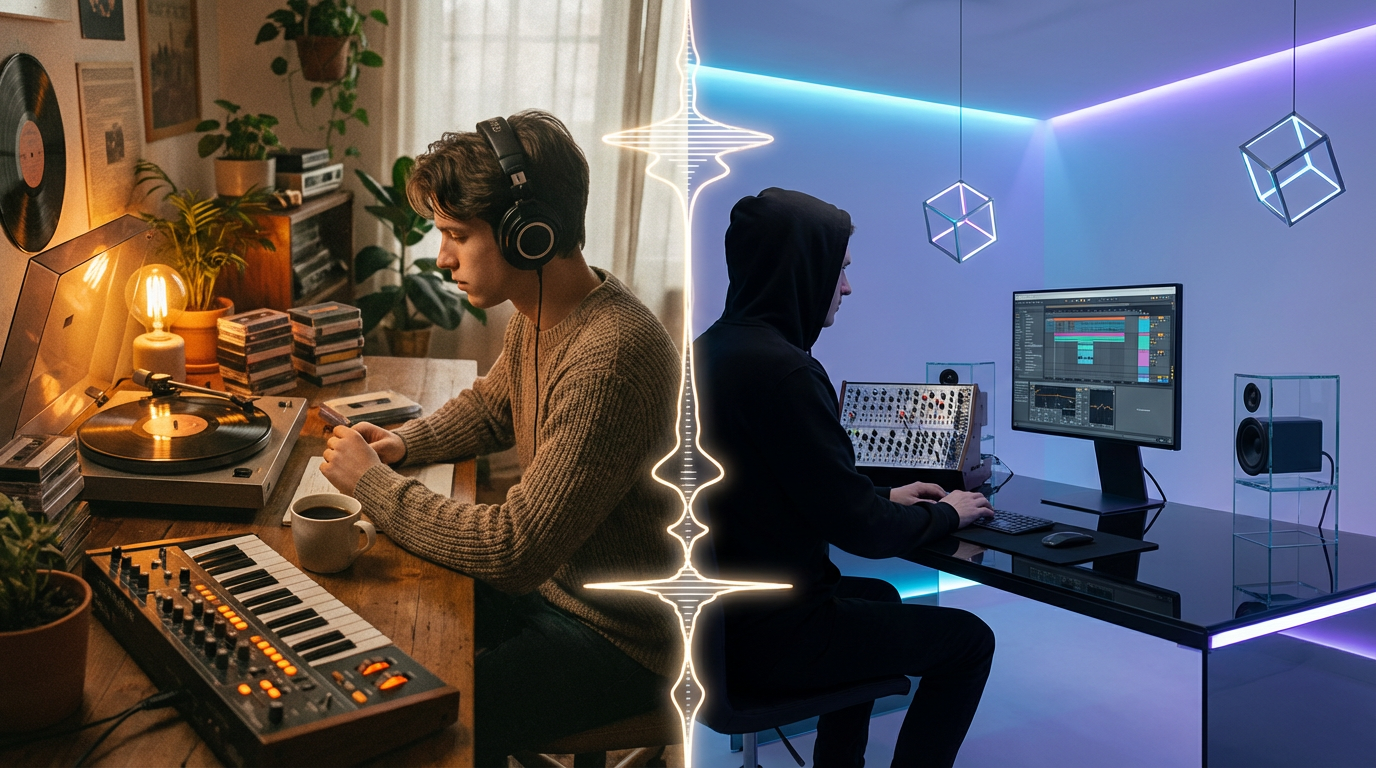
Lofi Beats sind darauf ausgelegt, chill zu sein. Entspannend. Vibe-erzeugend. Und genau das ist das Problem für Deep Work.
Hier ist, was Lofi zu Lofi macht: Es hat einen konstanten Beat, normalerweise um 70-90 BPM, Hip-Hop-beeinflusst und kopfnickend. Dein Gehirn synchronisiert sich natürlich mit rhythmischen Mustern durch einen Prozess namens Entrainment. Wenn du einen Beat hörst, verfolgt ein Teil deines Gehirns diesen Rhythmus—selbst wenn du dir dessen nicht bewusst bist. Für leichte Arbeit ist das in Ordnung, sogar hilfreich. Für Deep Work ist das kognitive Bandbreite, die du dir nicht leisten kannst zu verlieren.
Lofi hat auch musikalische Struktur. Verse, Akkordfolgen, melodische Hooks. Selbst ohne Lyrics erkennt dein Gehirn diese Muster und erzeugt Erwartung. Dein Gehirn sagt voraus, was als nächstes kommt, wann der Beat droppen wird, wann die Melodie sich auflösen wird. Wieder, für lockere Arbeit ist das angenehm. Für Deep Work ist es eine subtile Ablenkung, die du nicht brauchst.
Und dann gibt es den "Chill"-Faktor. Lofi ist darauf ausgelegt, dich entspannt, komfortabel, gelassen zu fühlen. Aber Deep Work erfordert einen spezifischen mentalen Zustand: wach aber ruhig. Nicht entspannt. Nicht gestresst. Irgendwo dazwischen. Lofi schiebt dich in Richtung Entspannung, was großartig ist zum Karteikarten lernen oder Notizen organisieren. Aber wenn du mehrere komplexe Konzepte gleichzeitig im Kopf halten musst, brauchst du Wachsamkeit mehr als Entspannung.
Warum Ambient-Musik anders ist
Ambient-Musik wurde buchstäblich für einen anderen Zweck entworfen. Brian Eno, der das Genre im Wesentlichen erfunden hat, beschrieb es als Musik, die "genauso ignorierbar wie interessant" ist. Das ist der Schlüssel.
Echte Ambient-Musik hat keinen treibenden Beat. Keinen Rhythmus zum Verfolgen. Kein Tempo zum Folgen. Das bedeutet null kognitive Ressourcen für Rhythmus-Tracking ausgegeben. Dein Gehirn sagt nicht den nächsten Beat voraus—es ist frei, sich vollständig auf deine Arbeit zu konzentrieren.
Ambient-Musik hat auch keine Verse, Refrains oder Hooks im traditionellen Sinne. Sie entwickelt sich langsam. Texturen verschieben sich. Klänge tauchen auf und verblassen. Es gibt keine Erwartung, kein "was kommt als nächstes?" Dein Gehirn ist nicht in Mustererkennung engagiert. Es ist einfach... da. Im Hintergrund. Wie Wetter.
Anstatt Musik, die du hörst, erschafft Ambient eine Atmosphäre—eine klangliche Umgebung, in der du existierst. Dein Gehirn behandelt es wie Umgebungsgeräusche: Regen, Wind, Meereswellen. Es ist präsent, aber es fordert keine Aufmerksamkeit.
Das ist perfekt für Deep Work, weil es ablenkende Umgebungsgeräusche maskiert, eine konsistente klangliche Umgebung schafft, nicht um kognitive Ressourcen konkurriert und diesen entscheidenden "wach aber ruhig" Zustand aufrechterhält.
Die Wissenschaft: Cognitive Load Theory
Lass uns für einen Moment etwas nerdig werden. Die Cognitive Load Theory, entwickelt von John Sweller, erklärt, wie unser Arbeitsgedächtnis Informationen verarbeitet. Die Schlüsselerkenntnis ist einfach: Das Arbeitsgedächtnis ist begrenzt.
Wenn du Deep Work machst, ist dein Arbeitsgedächtnis bereits maximal ausgelastet. Du hältst das Problem im Kopf, erwägst mehrere Lösungen, verfolgst Abhängigkeiten und Beziehungen und wendest Fachwissen an. Jede zusätzliche kognitive Last—selbst kleine—reduziert deine Kapazität für die eigentliche Arbeit.
Lofi fügt kognitive Last hinzu durch Rhythmus-Tracking, Mustererkennung und Verarbeitung musikalischer Struktur. Es mag klein erscheinen, aber über Stunden von Deep Work summiert es sich. Ambient hat keinen Rhythmus zum Verfolgen, keine Muster zum Vorhersagen, keine Struktur zum Verarbeiten. Der Unterschied mag subtil erscheinen, aber er ist wichtig.
Wann Lofi tatsächlich besser funktioniert
Ich sage nicht, dass Lofi schlecht ist. Ich sage, es ist für andere Aufgaben optimiert.
Lofi ist großartig für leichte Lernaufgaben wie Karteikarten wiederholen, vertrautes Material lesen oder Notizen organisieren. Es funktioniert wunderbar für kreative Brainstorming-Sessions, wo du frei schreibst, Ideen skizzierst oder Mind Maps erstellst. Es ist perfekt für Routinearbeit wie Dateneingabe, E-Mail-Management oder repetitive Aufgaben. Und es ist ausgezeichnet während Pausen zwischen Deep Work Sessions.
Warum funktioniert Lofi hier? Weil diese Aufgaben deine kognitive Kapazität nicht maximal auslasten. Die rhythmische, strukturierte Natur von Lofi kann tatsächlich helfen, Energie und Motivation aufrechtzuerhalten. Außerdem kann für kreative Arbeit die musikalische Struktur manchmal Ideen auslösen.
Wann Ambient jedes Mal gewinnt
Ambient ist besser für komplexes Problemlösen wie Code debuggen, mathematische Beweise oder Systemdesign. Es glänzt während Deep Learning Sessions, wenn du neue Programmiersprachen, fortgeschrittene Konzepte oder technische Forschung angehst. Es ist ideal für wichtiges Schreiben wie technische Dokumentation, Forschungsarbeiten oder alles, was Präzision erfordert. Und es ist perfekt für ausgedehnte Fokus-Sessions—diese 2+ Stunden Deep Work Blöcke, wo du den Flow State jagst.
Warum gewinnt Ambient? Weil diese Aufgaben jedes bisschen kognitiver Kapazität erfordern, das du hast. Ambient-Musik bietet die Vorteile von Klang—Geräuschmaskierung und Umgebungserschaffung—ohne die Kosten von kognitiver Last oder Aufmerksamkeitsteilung.
Der praktische Leitfaden: Wie wählen
Hier ist mein einfaches Framework. Frag dich selbst: "Wie schwer ist diese Aufgabe?" Wenn sie einfach oder Routine ist, etwas wofür du auf Autopilot bist, ist Lofi in Ordnung. Wenn sie mittelschwer ist, vertrautes Territorium mit etwas Fokus erforderlich, funktioniert beides. Aber wenn sie schwer oder komplex ist, wenn du etwas Neues lernst oder mehrere Konzepte im Kopf halten musst, gewinnt Ambient.
Berücksichtige auch die Session-Länge. Für kurze Sessions unter einer Stunde ist Lofi in Ordnung. Für lange Sessions von 2+ Stunden ist Ambient besser, weil selbst kleine Ablenkungen sich über Zeit summieren.
Und denk an dein Energielevel. Wenn du wenig Energie hast, kann Lofis Rhythmus Motivation bieten und dich engagiert halten. Wenn du viel Energie hast, lässt Ambient dich diesen Fokus ohne externe Ablenkungen kanalisieren.
Meine Empfehlung: Der Deep Focus Sphere Ansatz
Ich betreibe Deep Focus Sphere genau aus diesem Grund. Pure Ambient Soundscapes. Keine Beats. Keine Struktur. Nur Atmosphäre.
Es ist designed für Entwickler, die Code schreiben, Forscher, die Daten analysieren, Studenten, die schwierige Konzepte angehen, und jeden, der Arbeit macht, die tiefe Konzentration erfordert. Jedes Video ist 2-10 Stunden lang, weil Deep Work Sessions Konsistenz brauchen. Du willst nicht alle 30 Minuten stoppen, um neue Musik zu finden.
Die Soundscapes sind sorgfältig gestaltet, um Umgebungsablenkungen zu maskieren, eine konsistente klangliche Umgebung zu schaffen, jegliche rhythmische oder strukturelle Elemente zu vermeiden und diesen "wach aber ruhig" Zustand aufrechtzuerhalten. Das ist keine Hintergrundmusik. Es ist ein klanglicher Arbeitsbereich.
Der Hybrid-Ansatz
Hier ist, was ich tatsächlich mache und empfehle: Starte deinen Morgen mit Ambient. Dein Gehirn ist frisch, gehe die schwierigsten Probleme zuerst an, wenn maximale kognitive Kapazität verfügbar ist. Nutze Deep Focus Sphere für 2-3 Stunden Deep Work.
Wechsle zu Lofi am Mittag, wenn die Energie sinkt und du leichtere Aufgaben und Routinearbeit erledigst. Der Lofi Beat bietet einen Motivationsschub, wenn du ihn brauchst.
Kehre dann am Nachmittag zu Ambient zurück für deine zweite Deep Work Session, wenn du die Energie hast. Wenn nicht, bleib bei Lofi für leichtere Aufgaben und nenn es einen Tag.
Das Fazit
Lofi Beats sind nicht schlecht. Sie sind nur für andere Arbeit optimiert. Für leichte Aufgaben, kreative Exploration und Routinearbeit ist Lofi fantastisch. Es ist genussvoll, motivierend und hilft, Energie aufrechtzuerhalten.
Aber für Deep Work—die Art, die jede Unze kognitiver Kapazität erfordert, die du hast—ist Ambient-Musik die bessere Wahl. Es bietet die Vorteile von Klang ohne um die mentalen Ressourcen zu konkurrieren, die du für komplexes Denken brauchst.
Das nächste Mal, wenn du dich für eine ernsthafte Arbeitssession hinsetzt, probiere dieses Experiment: Starte mit Lofi. Arbeite eine Stunde. Dann wechsle zu Ambient für die nächste Stunde. Achte darauf, wie sich dein Fokus anfühlt. Wie leicht du komplexe Ideen halten kannst. Wie lange du Konzentration ohne mentale Ermüdung aufrechterhalten kannst.
Ich denke, du wirst den Unterschied bemerken. Und sobald du es tust, wirst du verstehen, warum Ambient für Deep Work gewinnt.
Dein Gehirn wird es dir danken.
🎧 Passende Musik zum Artikel
Von unserem Kanal: Deep Focus Sphere
Deep Work Soundscape – Elegant Ambient Music for Uninterrupted Productivity
TAGS
Share this article