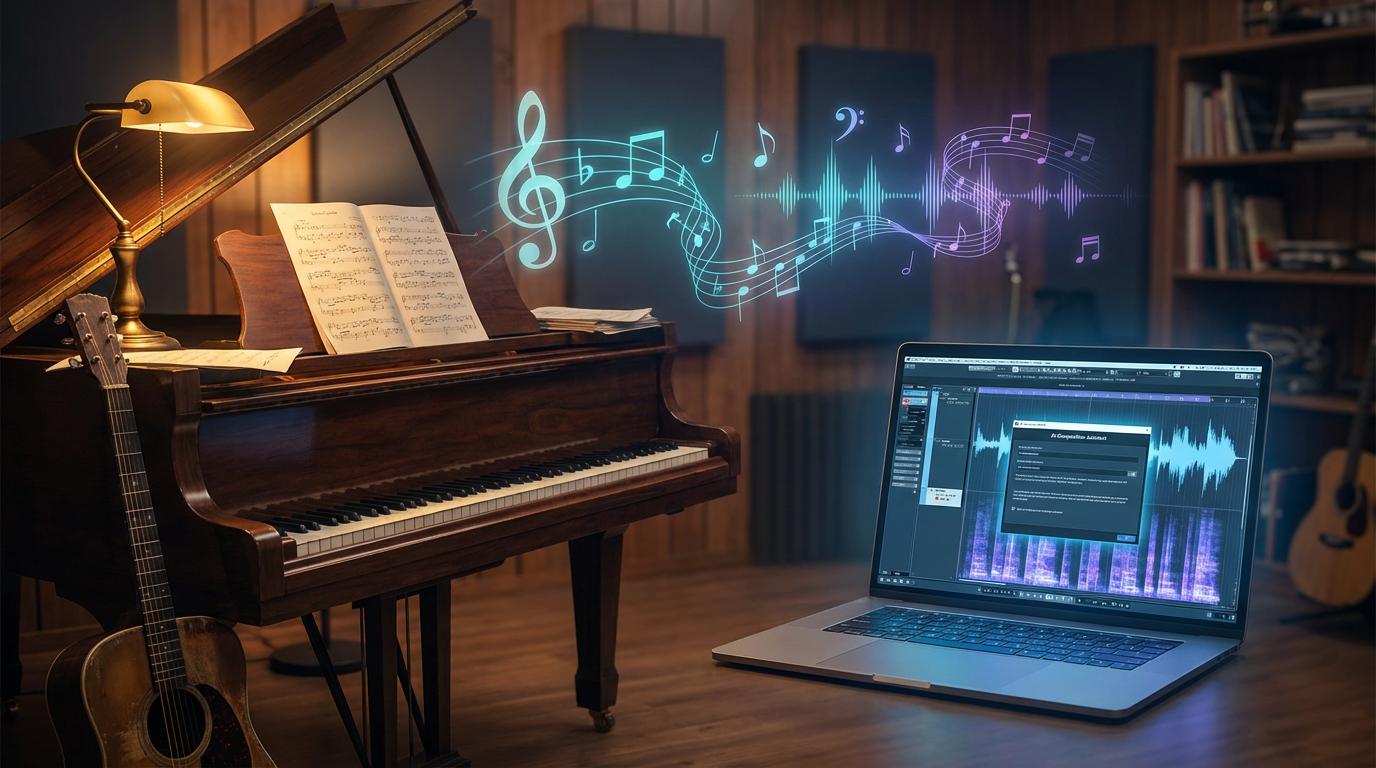
Ich habe 15 Jahre Klavier gelernt. Klassische Ausbildung. Tonleitern, Arpeggios, Chopin, Debussy—das volle Programm. Dann weitere 20 Jahre Gitarre gespielt, von Jazz bis Metal, Techniken gemeistert, die Tausende von Stunden Übung erforderten.
Und jetzt? Ich nutze AI, um Musik für meine YouTube-Kanäle zu kreieren.
Falls du gerade geschnappt hast oder dein Blutdruck steigt, bist du nicht allein. Ich erlebe das ständig. Die Kommentare. Die Debatten. Die Anschuldigungen.
"Du bist kein echter Musiker mehr."
"AI stiehlt von echten Künstlern."
"Das ist der Tod der Kreativität."
Lass mich dir erzählen, warum sie falsch liegen. Und warum ich als ausgebildeter Musiker über AI-Musik aufgeregter bin als über irgendetwas anderes in den letzten Jahrzehnten.
Das Geständnis (das nicht kontrovers sein sollte)
Hier ist die Realität beim Betreiben von Musik-Kanälen wie Deep Focus Sphere, Chillout Sphere und JazzSphere Radio:
Jedes Video braucht 50 Songs. FÜNFZIG.
Ich veröffentliche mehrere Videos pro Woche. Das sind 200+ einzigartige Tracks pro Woche. Über 10.000 Songs pro Jahr.
Rechnen wir mal: Wenn ich jeden Song selbst komponieren würde, mit nur 2 Stunden pro Track (was wahnsinnig schnell ist für Qualitätsmusik), wären das 20.000+ Stunden pro Jahr. Das bedeutet 55 Stunden Arbeit pro Tag. Was, soweit ich weiß, physisch unmöglich ist.
Ach ja, und ich leite auch noch ein Medien-Unternehmen. Und habe eine Familie. Und schlafe gelegentlich.
Ohne AI können meine Kanäle buchstäblich nicht existieren.
Nicht "wären schwieriger." Nicht "wären weniger profitabel." Sie. Können. Nicht. Existieren.
Die Royalty-Free Music Falle
"Aber warte," sagst du vielleicht, "warum nicht Royalty-Free Musik nutzen?"
Habe ich versucht. Monatelang. Hier ist, was ich herausgefunden habe:
Problem #1: Es klingt alles gleich. Generisch. Seelenlos. Das musikalische Äquivalent von Stock-Fotos. Man fühlt, dass es gemacht wurde, um inoffensive Hintergrundmusik zu sein.
Problem #2: Jeder nutzt dieselben Tracks. Dein "einzigartiges" Ambient-Video klingt genau wie 47 andere Kanäle, weil ihr alle aus denselben Bibliotheken zieht.
Problem #3: Es ist teuer. Qualitativ hochwertige Royalty-Free Musik ist nicht billig. Für 200 Tracks pro Woche (800+ pro Monat) schaust du auf Zehntausende von Euro. Jeden Monat. Für immer.
Problem #4: Es ist immer noch nicht original. Du nutzt immer noch die Musik von jemand anderem. Du zahlst nur für das Privileg.
Also, was ist die Alternative? AI.
AI-Musik: Das Tool, von dem ich nicht wusste, dass ich es brauche
Ich habe vor etwa einem Jahr mit Suno AI angefangen. Skeptisch. Erwartete Müll.
Was ich bekam, hat mich umgehauen.
Der erste Track, den ich generierte—ein Smooth Jazz Stück für meine Morning Coffee Videos—war nicht von etwas zu unterscheiden, das ein Mensch komponieren würde. Warm. Harmonisch. Musikalisch.
Ich übertreibe nicht. Als ausgebildeter Pianist, der seit Jahrzehnten Jazz spielt, konnte ich nicht erkennen, dass es AI-generiert war. Mein Publikum auch nicht.
Da wurde mir klar: Das ist kein Spielzeug. Das ist eine Revolution.
Suno vs. Udio vs. TopMedi AI: Der echte Vergleich
Lass mich dir Monate von Trial-and-Error ersparen. Hier ist, was ich aus dem Generieren von Tausenden AI-Tracks gelernt habe.
Suno AI: Der harmonische Meister
Was es gut macht:
- Unglaublich musikalisch und harmonisch
- Warmer, natürlicher Sound, der sich "menschlich" anfühlt
- Konsistente Qualität über Genres hinweg
- Einfach, gute Ergebnisse zu bekommen
Wofür ich es nutze:
- Jazz-Kompositionen
- Ambient Soundscapes
- Chillout-Musik
- Alles, was emotionale Tiefe braucht
Der Haken: Der kürzliche Warner Music Deal bedeutet, dass Einschränkungen kommen. Ich weiß nicht genau, was das bedeutet, aber ich bereite Alternativen vor.
Udio: Das frustrierende Genie
Was es gut macht:
- Technisch beeindruckend
- Kann komplexe Arrangements handhaben
- Gut für experimentelle Sounds
Was mich verrückt macht:
- Inkonsistente Ergebnisse
- Harmonisch... seltsam? Ich kann es nicht besser erklären
- Dauert ewig, etwas Brauchbares zu bekommen
- Fühlt sich an, als würde man gegen das Tool kämpfen, statt damit zu arbeiten
Meine ehrliche Meinung: Ich habe es versucht. Wirklich versucht. Aber ich bekomme nicht dieselben warmen, harmonischen Ergebnisse wie mit Suno. Es ist technisch fähig, aber musikalisch frustrierend.
TopMedi AI: Der neue Herausforderer
Ich teste das seit etwa einer Woche, und ich bin beeindruckt.
Was mich überrascht hat:
- Qualität ist wirklich gut
- Anderes "Gefühl" als Suno, aber gleichermaßen musikalisch
- Schnellere Generierungszeiten
- Weniger restriktiv (vorerst)
Mein Urteil bisher: Das ist eine ernsthafte Alternative. Wenn Suno zu restriktiv wird, könnte TopMedi AI mein neues Go-to werden. Jeder Creator sollte das testen.
Aber hier ist, worüber niemand spricht: AI-Musik ist ARBEIT
Das ist der Teil, der mich verrückt macht an der "AI ist nur Knopf drücken" Erzählung.
Gute AI-Musik zu kreieren ist eine Fähigkeit. Eine echte Fähigkeit, die erfordert:
1. Musikalisches Wissen
Du musst verstehen:
- Akkordfolgen
- Tempo und Rhythmus
- Instrumentierung
- Genre-Konventionen
- Harmonielehre
Ohne dieses Wissen werden deine Prompts vage sein und deine Ergebnisse mittelmäßig.
Meine 15 Jahre Klavierausbildung? Sie zählen. Jeden. Einzelnen. Tag.
2. Prompt Engineering
Effektive Prompts zu schreiben ist eine Kunstform:
- Zu vage → generische Ergebnisse
- Zu spezifisch → AI wird verwirrt
- Falsche Terminologie → komplett falscher Output
Ich verbringe Stunden damit, Prompts zu verfeinern. Variationen zu testen. Zu lernen, was funktioniert.
3. Qualitätskontrolle
Für jeden Track, den ich nutze, generiere ich 5-10 Alternativen. Manchmal mehr.
Ich höre kritisch zu. Funktioniert die Harmonie? Ist das Tempo richtig? Passt es zur Stimmung? Ist es zu repetitiv?
Hier ist meine musikalische Ausbildung essentiell. Ich kann hören, wenn etwas "off" ist, auch wenn ich nicht erklären kann, warum.
4. Nachbearbeitung
AI-generierte Tracks sind nicht immer perfekt. Ich:
- Justiere EQ und Mastering
- Schneide seltsame Enden
- Layere mehrere AI-Tracks
- Füge subtile Effekte hinzu
Das ist kein "Cheating." Es ist eine neue Art, Musik zu machen.
Genau wie:
- Synthesizer Musiker nicht ersetzt haben
- Drum Machines Drummer nicht getötet haben
- DAWs Produzenten nicht obsolet gemacht haben
AI ist ein Tool. Ein mächtiges. Aber es erfordert immer noch Skill, Geschmack und musikalisches Wissen, um es gut zu nutzen.
Das "AI hat von Künstlern gestohlen" Argument (und warum es fehlerhaft ist)
Ich höre das ständig. "AI hat von urheberrechtlich geschützter Musik gelernt ohne Erlaubnis. Das ist Diebstahl."
Lass mich dich etwas fragen:
Wie hast DU Musik gelernt?
Ich habe Klavier gelernt, indem ich:
- Anderen Pianisten zugehört habe
- Ihre Techniken kopiert habe
- Stücke gelernt habe, die sie komponiert haben
- Ihren Stil studiert habe
- Das Gelernte in mein eigenes Spiel eingebaut habe
Ich habe Gitarre gelernt, indem ich:
- Meinen Lieblingsgitarristen zugehört habe
- Ihre Riffs gelernt habe
- Ihre Techniken studiert habe
- Ihre Einflüsse absorbiert habe
- Meinen eigenen Stil entwickelt habe, basierend auf dem, was ich gelernt habe
Jeder einzelne Musiker lernt so.
Du kreierst Musik nicht im Vakuum. Du:
- Lernst Noten, die jemand anderes erfunden hat
- Spielst Instrumente, die jemand anderes designed hat
- Nutzt Tonleitern und Theorie, die über Jahrhunderte entwickelt wurden
- Wirst beeinflusst von Musik, die du gehört hast
Alles Wissen wird weitergegeben. Alle Kreativität baut auf dem auf, was vorher kam.
AI macht dasselbe. Sie lernt Muster, Strukturen und Techniken von existierender Musik. Genau wie jeder menschliche Musiker.
Der Unterschied? AI macht es schneller und in größerem Maßstab.
Aber der fundamentale Prozess—von existierender Arbeit zu lernen, um etwas Neues zu kreieren—ist identisch.
Die Kontroverse, die ich jeden Tag erlebe
Ich bin nicht naiv. Ich weiß, dass das kontrovers ist.
Ich sehe die Kommentare:
- "Echte Musiker brauchen keine AI"
- "Du bringst menschliche Künstler um ihre Arbeit"
- "Das ist das Ende authentischer Musik"
Und ich verstehe es. Veränderung ist beängstigend. Neue Technologie bedroht immer den Status quo.
Aber hier ist meine ehrliche Antwort:
Ich versuche nicht, menschliche Musiker zu ersetzen. Ich versuche, Content zu kreieren, der sonst nicht existieren würde.
Meine Ambient-Videos konkurrieren nicht mit Konzertpianisten. Sie füllen eine Nische, die traditionelle Musikproduktion ökonomisch nicht bedienen kann.
Ohne AI existieren diese Videos nicht. Punkt.
Und nach den Kommentaren, den Tausenden von Abonnenten und den Nachrichten, die ich von Menschen bekomme, die sagen, dass meine Musik ihnen hilft, sich zu konzentrieren, zu entspannen oder besser zu schlafen—gibt es echten Wert in dem, was ich kreiere.
Warum ich aufgeregt bin (nicht ängstlich)
Als ausgebildeter Musiker sollte ich von AI bedroht sein, oder?
Falsch.
Ich bin aufgeregter über Musik-Kreation als seit Jahren.
Weil AI Musikertum nicht ersetzt. Es verstärkt es.
Meine musikalische Ausbildung macht mich besser darin:
- Effektive Prompts zu schreiben
- Qualität zu erkennen
- Zu verstehen, was funktioniert
- Die besten Ergebnisse zu kuratieren
- Kohärente Soundscapes zu kreieren
AI ist ein Tool, das mir erlaubt, in einem Maßstab zu kreieren, den ich nie zuvor konnte.
Es ist wie einem Maler Zugang zu neuen Farben, neuen Pinseln, neuen Leinwänden zu geben. Sie sind immer noch Maler. Sie brauchen immer noch Skill und Geschmack. Aber jetzt können sie Dinge kreieren, die vorher unmöglich waren.
Die Zukunft (und warum du aufpassen solltest)
Hier ist, was ich denke, was kommt:
1. Mehr Einschränkungen bei existierenden Tools Der Warner Music + Suno Deal ist nur der Anfang. Erwarte mehr Lizenzvereinbarungen, mehr Limitierungen, mehr rechtliche Frameworks.
2. Neue Tools werden auftauchen TopMedi AI ist nur ein Beispiel. Während Einschränkungen auf etablierten Plattformen zunehmen, werden neue Alternativen erscheinen.
3. Hybrid-Workflows werden Standard AI-Generierung + menschliche Kuration + traditionelle Produktionstechniken. Die besten Ergebnisse werden aus der Kombination von Ansätzen kommen.
4. Die Skill-Gap wird sich erweitern Menschen, die lernen, AI-Musik-Tools effektiv zu nutzen, werden einen massiven Vorteil haben. Die, die sie ablehnen, werden zurückfallen.
Mein Rat für Creator
Wenn du Content kreierst, der Musik braucht:
1. Sei nicht dogmatisch Teste AI-Tools. Sieh, was sie können. Du könntest überrascht sein.
2. Investiere Zeit ins Lernen Gute AI-Musik-Generierung ist eine Fähigkeit. Behandle sie als solche.
3. Teste mehrere Plattformen Suno, Udio, TopMedi AI—sie alle haben unterschiedliche Stärken. Finde, was für deine Bedürfnisse funktioniert.
4. Kombiniere mit traditionellen Skills Dein musikalisches Wissen, Produktions-Skills und kreativer Geschmack sind immer noch essentiell.
5. Sei transparent Ich sage meinem Publikum, dass ich AI-generierte Musik nutze. Die meisten interessiert es nicht. Sie interessieren sich für die Erfahrung, nicht das Tool.
Das Fazit
Ich bin ein ausgebildeter Pianist. Ein Gitarrist. Ein Musiker mit Jahrzehnten Erfahrung.
Und ich nutze AI, um Musik zu kreieren.
Nicht weil ich faul bin. Nicht weil mir Skill fehlt. Nicht weil ich traditionelles Musikertum nicht respektiere.
Weil AI mir erlaubt, Dinge zu kreieren, die buchstäblich sonst unmöglich wären.
Meine Kanäle existieren wegen AI. Die 10.000+ Songs, die ich jedes Jahr kreiere, existieren wegen AI. Der Wert, den ich Tausenden von Menschen biete, existiert wegen AI.
Ist es kontrovers? Ja.
Interessiert es mich? Nicht wirklich.
Denn am Ende des Tages kreiere ich Musik, die Menschen hilft, sich zu konzentrieren, zu entspannen und Frieden zu finden. Und wenn AI das Tool ist, das das möglich macht, dann werde ich es nutzen.
Die Zukunft der Musik ist nicht Mensch ODER AI. Es ist Mensch UND AI.
Und ehrlich? Ich kann es kaum erwarten zu sehen, was wir zusammen kreieren.
Willst du hören, wie AI-generierte Musik klingen kann? Schau dir meine Kanäle an: Deep Focus Sphere für Ambient Focus Music, Chillout Sphere für entspannende Soundscapes und JazzSphere Radio für Smooth Jazz Vibes. Jeder Track ist AI-generiert, kuratiert von einem ausgebildeten Musiker.
TAGS
Share this article