Entspannung war früher etwas, das Menschen genossen, wenn die Zeit es erlaubte. Ein ruhiger Sonntagmorgen. Eine langsame Stunde vor dem Schlafengehen. Ein Moment der Stille nach einem langen Tag. Heute hat sich das Tempo des Lebens verändert. Die Welt bewegt sich schneller, verlangt mehr und unterbricht ständig. In dieser neuen Realität ist Entspannung kein Luxus mehr. Sie ist zu einer Fähigkeit geworden, und eine, die wenige Menschen gelernt haben, mit Intention zu praktizieren.
Der moderne Geist schaltet selten ab. Selbst in Momenten der Ruhe laufen Gedanken weiter, planen, evaluieren, bereiten vor. Das Nervensystem bleibt wachsam, als wäre die nächste Anforderung nur Sekunden entfernt. Diese kontinuierliche mentale Bewegung entzieht Klarheit und Energie, ohne dass Menschen es bemerken, bis sie das Gewicht davon fühlen. Entspannung ist die stille Heilung dafür. Sie bringt den Geist zurück in Balance und erlaubt dem Körper, sich sicher genug zu fühlen, um Spannung loszulassen.
Das Nervensystem und das Gefühl von Sicherheit
Echte Entspannung beginnt lange bevor der Geist ruhig wird. Sie beginnt, wenn das Nervensystem Sicherheit erkennt.
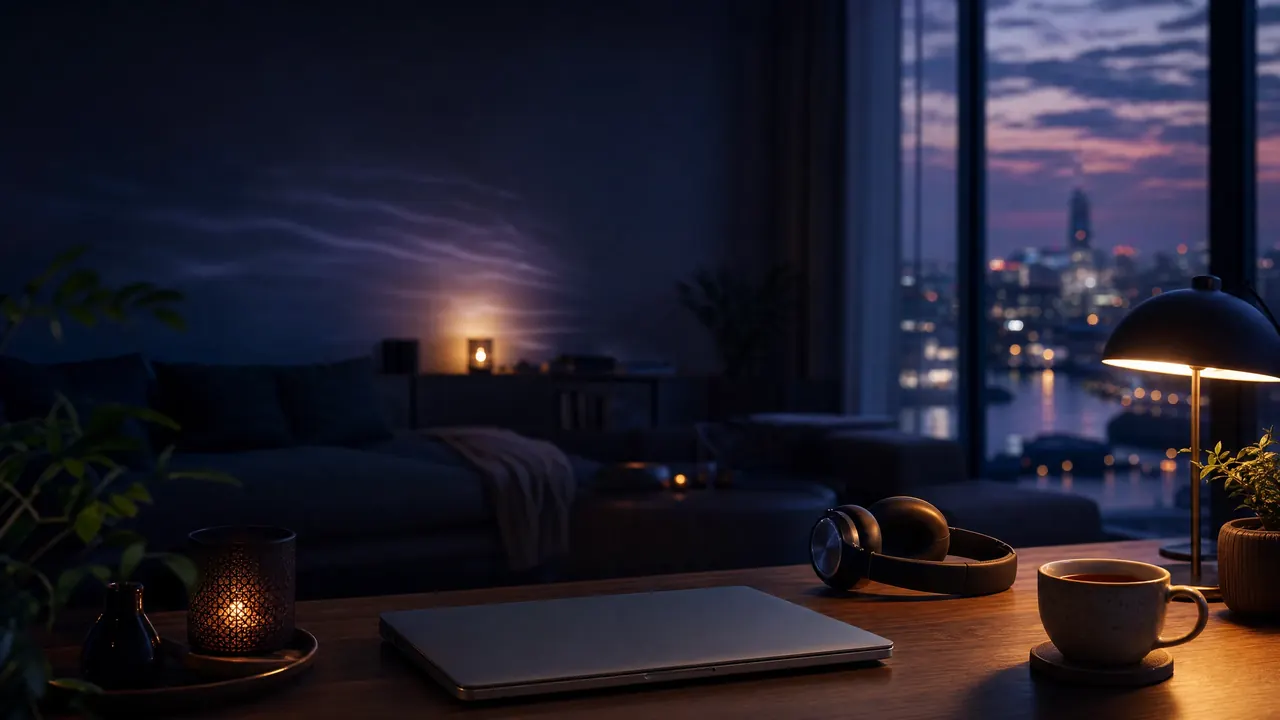
Warmes Licht, weiche Texturen, sanfte Sounds und aufgeräumte Umgebungen wirken als Signale, die dem Körper erlauben, herunterzuschalten. Das Atmen verlangsamt sich. Muskeln lockern sich. Gedanken werden weicher. Der Körper setzt sich in einen Zustand, den er instinktiv versteht.
Ein einzelnes, einfaches Set emotionaler Hinweise leitet diese Verschiebung:
- Wärme
- Weichheit
- Vorhersehbarkeit
- sanfter Sound
- Raum
Wenn diese Elemente zusammen erscheinen, wechselt das Nervensystem natürlich von Wachsamkeit zu Ruhe.
Die Psychologie des Verlangsamens
Entspannung ist nicht die Abwesenheit von Aktivität. Sie ist die Präsenz eines langsameren emotionalen Rhythmus.
Ruhige Umgebungen reduzieren das mentale Rauschen, das durch ständige Stimulation erzeugt wird. Wenn der Geist weniger Dinge zu tracken hat und weniger Unterbrechungen zu antizipieren, findet er wieder sein natürliches Tempo. Deshalb kann es sich erdend anfühlen, einen sanft beleuchteten Raum zu betreten, in der Nähe eines Fensters zu sitzen, während es regnet, oder in einer ruhigen Ecke zu ruhen. Die Umgebung formt den Geist.
Entspannung ist aktiv. Sie ist der Geist, der sich neu ausrichtet. Sie ist nicht Faulheit, und sie ist keine Flucht. Sie ist der Prozess, wieder präsent zu werden.
Warum die moderne Welt Entspannung schwierig macht
Die meisten Umgebungen heute sind um Stimulation herum gebaut.
Helle Lichter, Bildschirme, ständiger Sound, endlose Information. Selbst Räume, die für Ruhe gedacht sind, enthalten oft versteckte Anforderungen. Deshalb verwechseln Menschen Ablenkung mit Entspannung. Sie scrollen, um zu entspannen, aber das Nervensystem bleibt wachsam. Der Körper setzt sich nie wirklich.
Damit Entspannung greifen kann, muss die Umgebung Sicherheit und Langsamkeit kommunizieren. Sie muss dem Geist erlauben, weicher zu werden, anstatt von einem Input zum nächsten zu springen. Das ist etwas, das die meisten Menschen jetzt bewusst erschaffen müssen, weil die Welt es nicht mehr natürlich bietet.
Wie Ambient-Atmosphären Ruhe unterstützen
Ambient-Soundscapes sind zu einem der effektivsten Werkzeuge für Entspannung geworden.
Weiche Pads, leises Klavier, Regen, entfernte Cafés, sanfte Gitarre, langsame Abendräume. Diese Sound-Umgebungen sagen dem Geist, dass nichts Dringendes erforderlich ist. Sie geben emotionalen Kontext. Sie erschaffen Atmosphäre. Entspannung beginnt nicht in Stille. Sie beginnt an einem Ort, der sich ruhig anfühlt.
Deshalb resoniert Ambient-Content so tief. Er erlaubt Zuhörern, in eine Stimmung einzutreten, anstatt sich in eine zu zwingen. Der Moment wird weicher, und das Nervensystem reagiert.
Eine Fähigkeit, die es wert ist, geübt zu werden
Entspannung stärkt Klarheit, Kreativität, emotionale Stabilität und Resilienz.
Ohne sie wird der Geist überwältigt. Mit ihr wird das Leben handhabbar. Entspannung ist keine Unterbrechung von Produktivität. Sie ist die Grundlage davon.
Die stille Heilung ist keine Flucht aus dem Leben. Sie ist die Rückkehr zu einer zentrierten Version deiner selbst. Sie ist die Erinnerung, dass unter dem Lärm Stille wartet, gehört zu werden. Entspannung ist keine Pause. Sie ist der Teil, der alles andere möglich macht.
Wie man bewusste Entspannung praktiziert
Um Entspannung als Fähigkeit zu kultivieren, erschaffe bewusste Praktiken und Umgebungen:
Designe deinen Raum für Ruhe
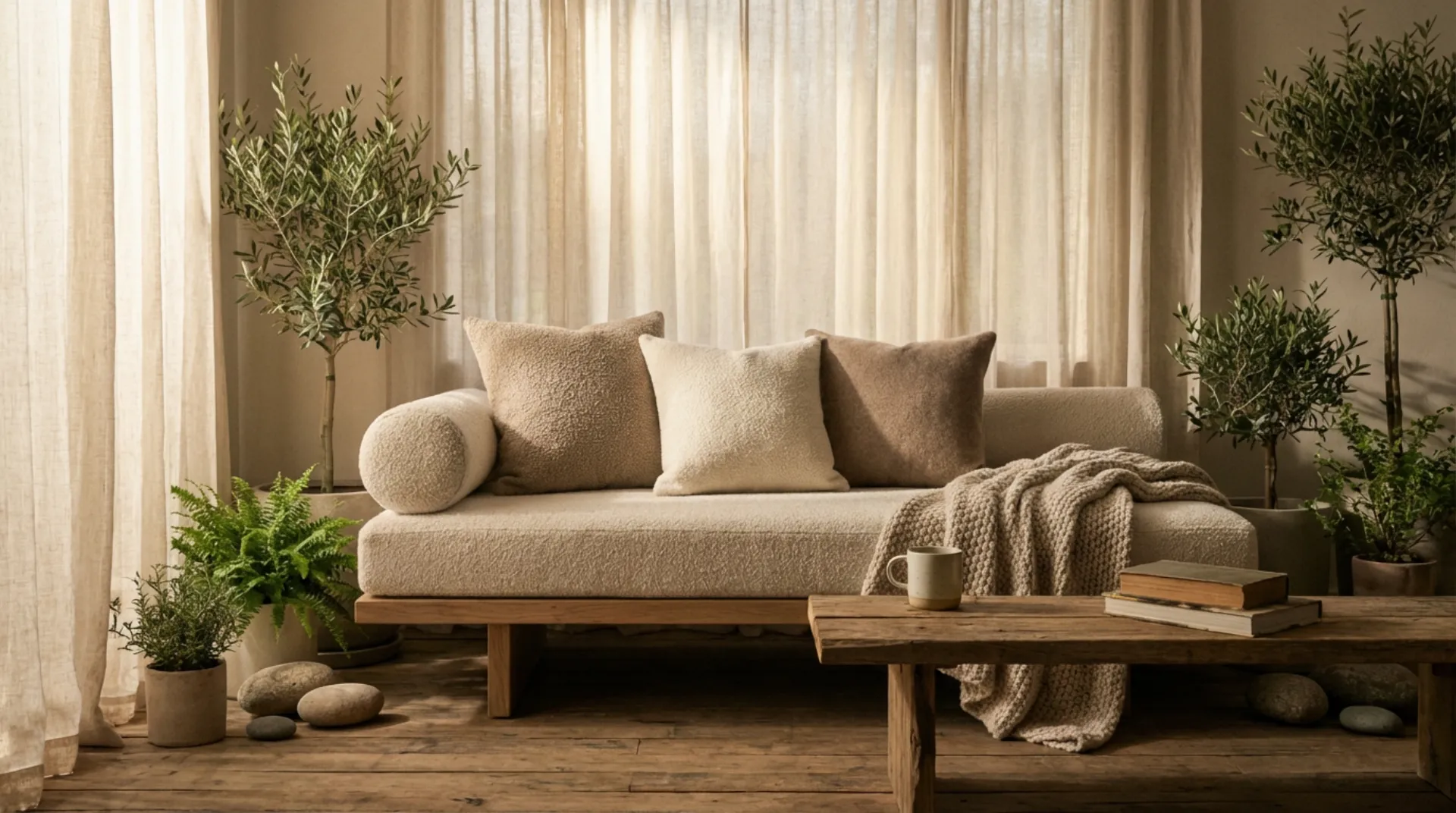
Nutze warme, sanfte Beleuchtung anstatt harscher Deckenlichter. Füge natürliche Texturen wie Holz, Pflanzen und weiche Stoffe hinzu. Halte Oberflächen aufgeräumt, um visuelles Rauschen zu reduzieren.
Wähle sanfte Soundscapes
Spiele Ambient-Musik, Naturgeräusche oder sanfte instrumentale Tracks. Vermeide stimulierende oder komplexe Musik während Entspannungszeit.
Etabliere Übergangs-Rituale
Erschaffe klare Grenzen zwischen Arbeit und Ruhe. Zünde eine Kerze an, mache Tee oder ziehe dich in bequeme Kleidung um, um die Verschiebung deinem Nervensystem zu signalisieren.
Praktiziere Mikro-Entspannung
Nimm 2-3 Minuten Pausen während des Tages, um tief zu atmen, dich sanft zu dehnen oder einfach in Stille zu sitzen. Diese kleinen Momente summieren sich über Zeit.
Schütze Abendstunden
Dimme Lichter 1-2 Stunden vor dem Schlafengehen. Reduziere Bildschirmzeit. Erlaube deinem Körper, sich natürlich auf Ruhe vorzubereiten.
Die Wissenschaft der Entspannung
Forschung in Neurowissenschaft und Psychologie zeigt, dass bewusste Entspannung:
- Das parasympathische Nervensystem aktiviert (Ruhe- und Verdauungsmodus)
- Cortisol-Spiegel reduziert (Stresshormon)
- Kognitive Funktion und Entscheidungsfindung verbessert
- Emotionale Regulation verstärkt
- Immunsystem-Funktion stärkt
- Kreativität und Problemlösungsfähigkeit erhöht
Der Schlüssel ist Konsistenz. Regelmäßige Entspannungspraktiken erschaffen dauerhafte Veränderungen darin, wie das Nervensystem auf Stress reagiert.
Erschaffe dein Entspannungs-Heiligtum
Die effektivste Entspannung passiert in Umgebungen, die dafür designed sind:
Visuelle Elemente: Weiche, warme Beleuchtung (Kerzen, Salzlampen, warme LEDs), natürliche Materialien, minimales Durcheinander, beruhigende Farben (Erdtöne, sanfte Blau-, Grüntöne)
Auditive Elemente: Ambient-Musik, Naturgeräusche, sanfte instrumentale Tracks oder bewusste Stille
Physischer Komfort: Weiche Texturen (Decken, Kissen), komfortable Sitzgelegenheiten, optimale Temperatur, frische Luft oder sanfte VentilationEmotionale Sicherheit: Privatsphäre, Vorhersehbarkeit, Freiheit von Unterbrechungen, Abwesenheit dringender Anforderungen
Wenn diese Elemente mit den richtigen Ambient-Soundscapes kombiniert werden, entsteht eine vollständige Entspannungsumgebung. Kanäle wie Chillout Sphere und Pianosphere Radio bieten sorgfältig kuratierte Atmosphären, die speziell für tiefe Entspannung und emotionale Wiederherstellung designed sind.
Fazit: Die Rückkehr zur Stille
In einer Welt, die uns ständig bittet, schneller zu bewegen, ist Entspannung die sanfte Rebellion des Verlangsamens.
Sie ist nicht Schwäche. Sie ist keine verschwendete Zeit. Sie ist die stille Heilung, die Klarheit wiederherstellt, Energie wieder aufbaut und uns mit der zentrierten Version von uns selbst wieder verbindet.
Der moderne Geist braucht Entspannung mehr denn je. Nicht als gelegentlicher Luxus, sondern als tägliche Praxis. Eine Fähigkeit, kultiviert mit Intention. Ein Raum, geschützt mit Sorgfalt.
Unter dem Lärm wartet Stille, gehört zu werden.
Und in dieser Stille finden wir uns selbst wieder.
Erkunde die beruhigenden Soundscapes von Sphere Music Hub — wo Ambient-Musik auf intentionales Design trifft, um Räume für tiefe Entspannung, fokussierte Arbeit und achtsames Leben zu schaffen.
🎧 Passende Musik zum Artikel
Von unserem Kanal: Chillout Sphere
Relaxing Chillout Music – Ocean Terrace at Sunset - Deep Lounge for Evening Escape
TAGS
Share this article